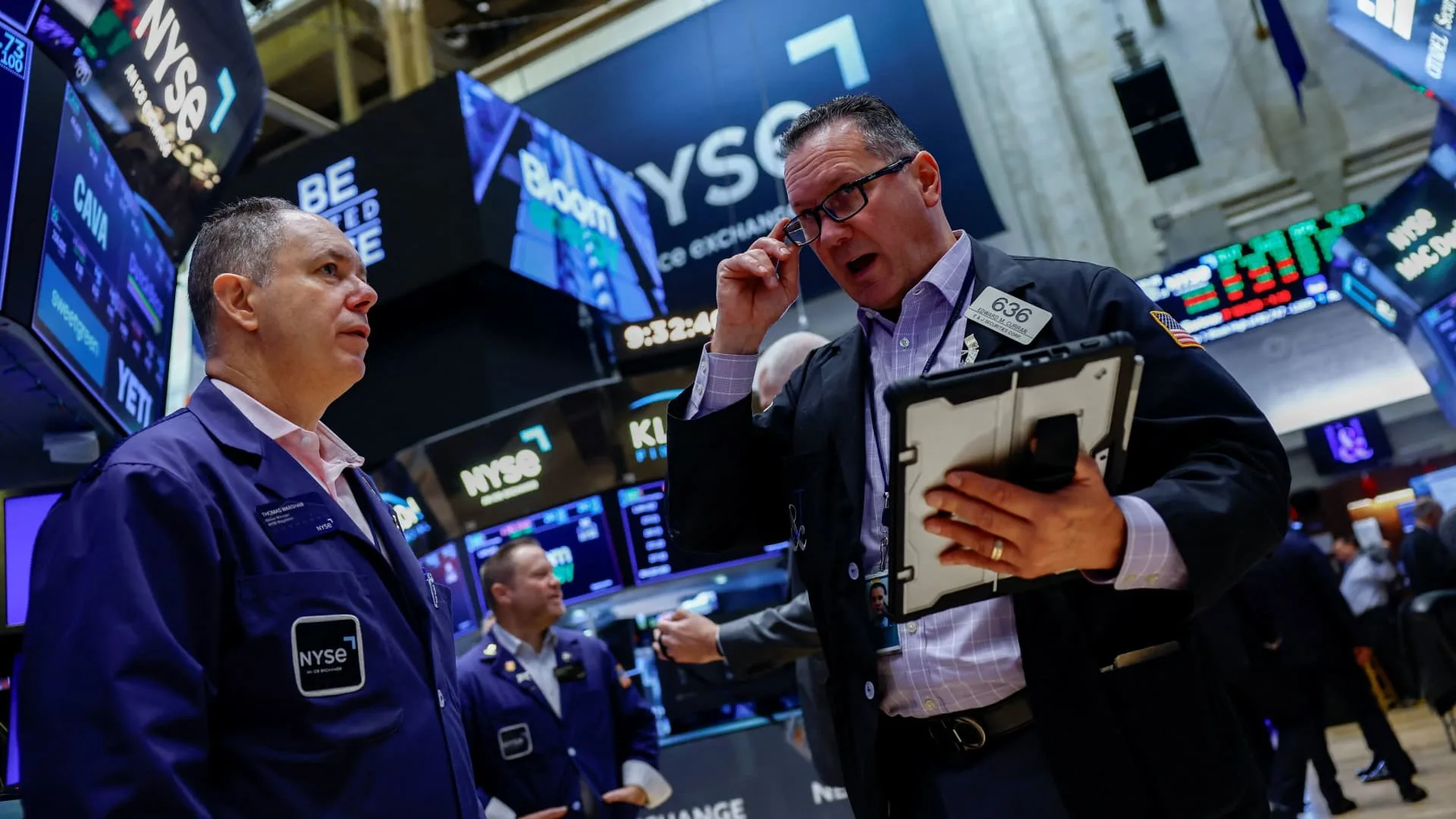
U.S. stocks ended last week higher even as sharp volatility in artificial intelligence names persisted through the final sessions. The S&P 500 rose 1.2% for the week, after hitting an all-time intraday high on Tuesday and closing above 7,800 for the first time. The Nasdaq gained 0.6% over the week and also posted a record close on Tuesday.
One of the main market drivers was SpaceX. Financial Times reported that Elon Musk’s rocket and AI company is considering raising $40 billion to buy more Nvidia chips and expand its AI compute business, which rents capacity to customers including Anthropic and Alphabet’s Google. CNBC’s Jim Cramer said the move would support the view that Nvidia’s customers are generating strong returns from their AI spending.
Late Thursday, SpaceX also announced a deal to acquire a nationwide spectrum portfolio. The asset could strengthen Starlink’s position against traditional U.S. wireless carriers by addressing a major technical hurdle in mobile services and eventually allowing SpaceX to combine satellite coverage with a ground-based network. The news weighed on telecom stocks on Friday.
AI sentiment also swung sharply on reports about OpenAI. Financial Times said OpenAI’s annualized revenue at the end of September was roughly $20 billion below levels previously believed by the market, triggering a selloff in AI stocks on Thursday. Broadcom, a CNBC Investing Club holding, fell 4.4% that day, though it still finished the week higher.
The group rebounded on Friday after Bloomberg sources said OpenAI expects annualized revenue of at least $70 billion by year-end. CNBC Investing Club said the reversal highlighted how quickly sentiment around AI can shift, and why diversification remains essential when investors treat the sector as a trade rather than a long-term investment.