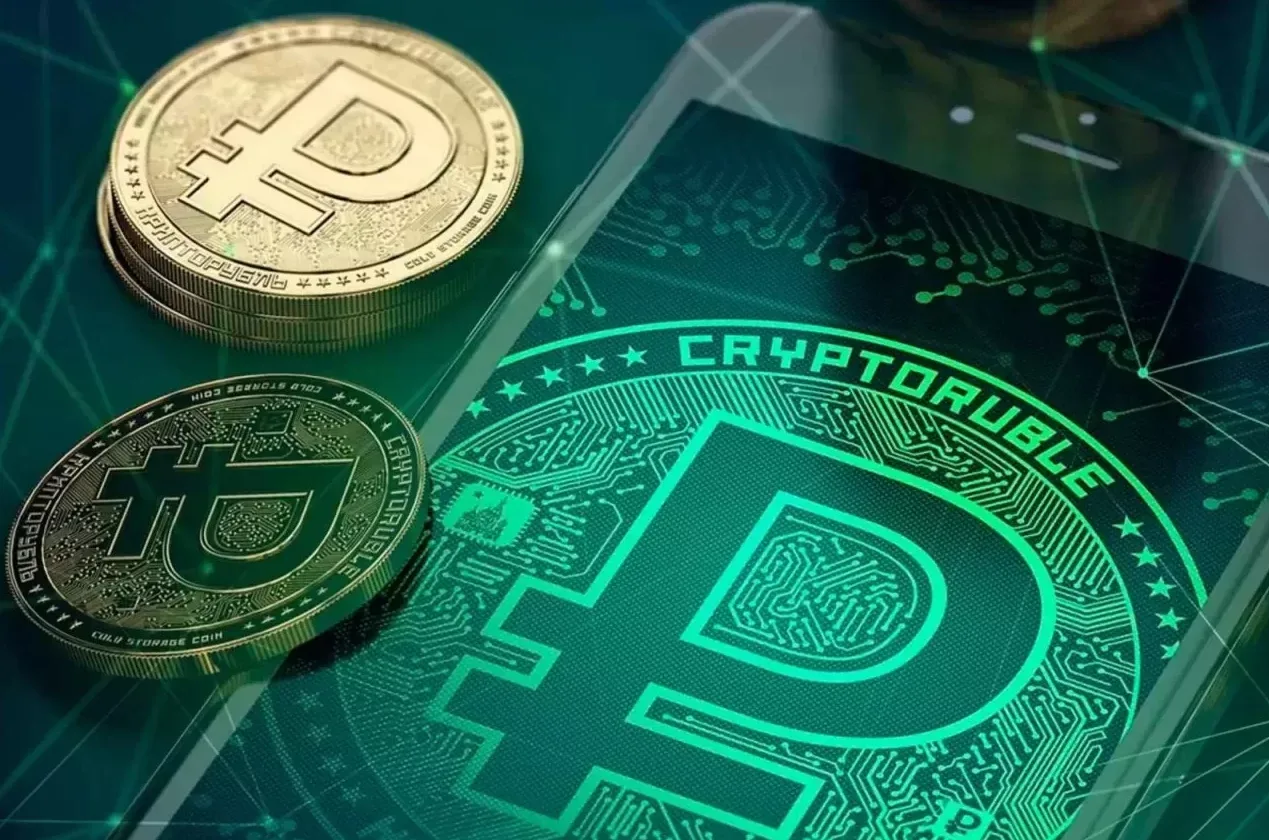
The widespread use of the digital ruble will lead to a reduction of up to 100 billion rubles in annual commission income for Russian credit organizations. Experts expect that over the next five years, the outflow of funds from citizens' accounts could amount to about 10%, equivalent to 1-1.5 trillion rubles annually, increasing the cost of financing and putting pressure on margins.
The decline in income will be due to a reduction in the volume of transactions conducted via banking cards. According to the authors of the study, under the baseline scenario, in 5-7 years, the new asset will account for 15-24% of the total volume of cashless circulation. At the same time, integrating the system will require investments of 100-300 million rubles from each market participant. Representatives of major market players, including Sberbank and VTB, currently do not record high interest from the population and businesses in the tool, forecasting conservative growth rates for the segment in the coming years.
The Central Bank emphasizes that the innovation creates an opportunity to earn income from innovative services, although market participants believe that the return on investments in such projects will take a long time. Viktor Dostov, head of the association of electronic money market participants, notes that the transfer of budget payments to the new format will be “not just significant, but extremely painful.” China's experience shows that even under active promotion, a significant share of operations with digital currency has not yet been achieved.
On July 13, it was revealed that the potential economic benefit from the full use of the digital ruble in Russia could reach 423 billion rubles annually. The bulk of this, 348 billion rubles, is expected to be received by the real sector of the economy due to reduced transfer costs and accelerated payments. According to the study, the banking sector could increase its revenues by 75 billion rubles annually through the implementation of smart contracts and new treasury services.
Earlier, on August 24, it was reported that the average level of fraud protection in acquiring at Russian credit organizations is only 50%. At the same time, experts assess the security level of transactions conducted in physical branches and cash service offices even lower, at 40%. Meanwhile, digital products intended for individuals are almost completely protected by anti-fraud systems.