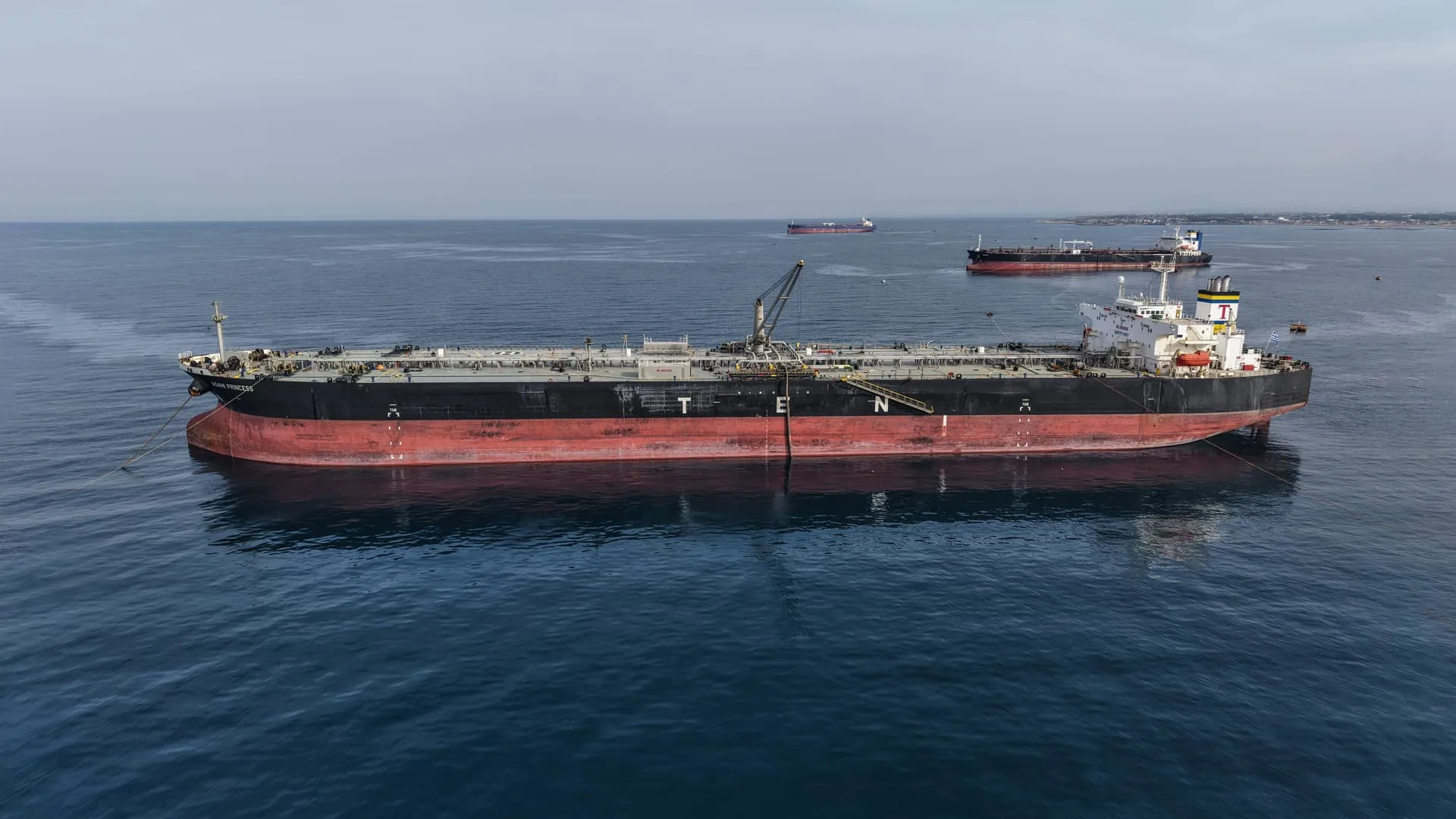
One of 2026’s strongest market stories is not about artificial intelligence but about tanker companies that transport oil and fuel. According to CNBC, conflicts around the world have lengthened shipping routes, allowing operators to charge higher rates for their services.
The SonicShares Global Shipping (BOAT) ETF is up 35% quarter to date and is on track for its best quarter since launching in 2021. Year to date, the fund has gained 63%, far outpacing the technology sector: State Street’s Technology Sector SPDR ETF (XLK) is up 3% in Q3 and 36% for the year.
Among the top performers are Okeanis Eco Tankers, up more than 60% this quarter and more than doubled year to date; Dorian LPG, up 58% quarter to date and more than 121% for the year; and Nordic American Tankers, up 43% this quarter and 131% year to date.
Chris Robertson, Deutsche Bank’s director of LNG infrastructure and maritime shipping, said the rally is tied to expanding “tonne miles.” In practical terms, oil and fuel are now traveling farther on less efficient routes. He linked the upturn to three geopolitical disruptions: the blockade around the Strait of Hormuz, sanctions on Russian crude and refined products following the invasion in Ukraine, and Yemeni Houthi attacks on vessels in the Red Sea.
Tanker earnings are driven by freight rates, or what customers pay to move oil by ship. Those rates rise when routes are longer or when security concerns disrupt trade. Robertson said rates should remain “very robust” as long as the threat of attacks persists, with shipowners continuing to demand a premium for entering high-risk areas.
He also said many listed tanker companies have improved their balance sheets by paying down debt, reducing interest expense and freeing up cash for dividends and buybacks. International Seaways, for example, said in its latest earnings report on Aug. 10 that it had returned 85% of net income to shareholders for the third consecutive quarter.




