Markets are heading into Wednesday focused on several major themes, from the Federal Reserve’s expected rate decision to moves in oil prices and fresh developments in crypto regulation in Washington. In its Morning Squawk newsletter, CNBC highlighted five stories likely to shape the day’s trading mood.


Fed decision in focus
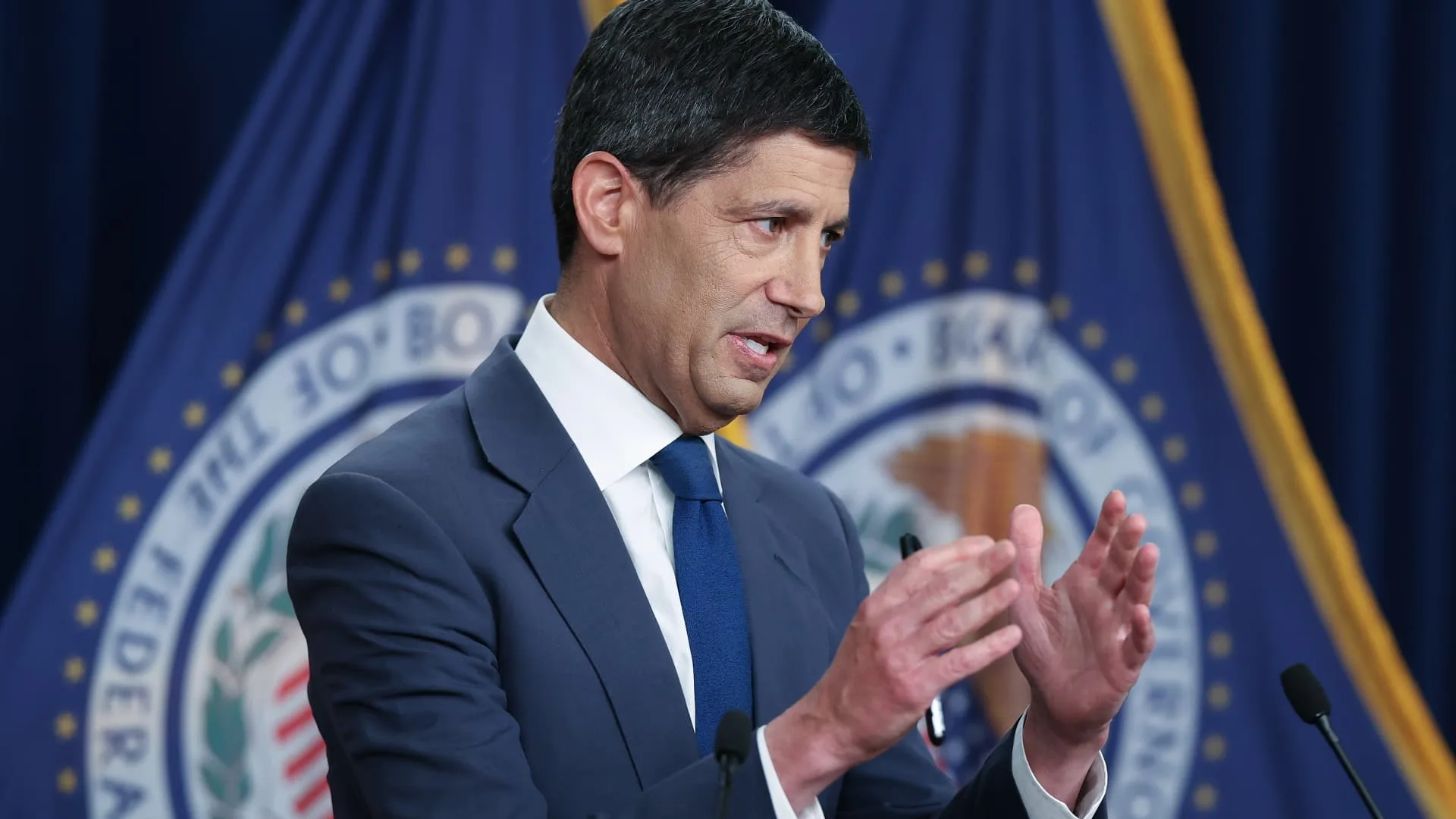
Investors are all but certain that the Federal Reserve will raise interest rates today for the first time in more than three years. The bigger unknown is not just the vote itself, but what Federal Reserve Chairman Kevin Warsh says afterward about the path of monetary policy.
Respondents to CNBC’s Fed survey now expect at least two rate increases over the next year, a sharp shift from a month ago, when expectations were far more restrained. On Tuesday, the 10-year U.S. Treasury yield climbed to its highest level since 2007, while the main U.S. stock indexes posted a second straight losing session.
For consumers, a rate hike could have mixed effects: returns on savings accounts may improve, but borrowing costs on consumer loans are also likely to rise.
AI leaders split on slowdown
The technology sector is still divided over whether artificial intelligence companies should deliberately slow development to address safety concerns. Nvidia CEO Jensen Huang told CNBC that the antitrust exemptions proposed by Anthropic CEO Dario Amodei — which would allow AI companies to coordinate a slowdown — are “completely unnecessary.”
At the same time, OpenAI CFO Sarah Friar said she is not worried about the consequences of hitting the brakes. In her view, even if development stopped today, the amount of intelligence already available in the world would remain enormous.
CNBC says the debate has now crystallized into two camps. On one side are President Donald Trump, Nvidia’s Huang and former White House crypto czar David Sacks; on the other are Anthropic’s Amodei, OpenAI CEO Sam Altman and Elon Musk.
Oil shock and war costs
Energy Secretary Chris Wright told CNBC that the shutdown of Saudi Arabia’s crucial crude oil pipeline is a “brief and temporary interruption” that will be measured in days. But satellite images appear to show damage at one of the pipeline’s pumping stations, leading some experts to warn that repairs could take months.
Despite official efforts to calm investors, U.S. crude settled above $105 a barrel on Tuesday for the first time since May. WTI prices were lower Wednesday morning after a report showed U.S. crude inventories rose last week.
Meanwhile, the Congressional Budget Office said the Iran war had cost the Pentagon $38.1 billion through Aug. 1, or an average of $246 million a day. Each additional month of fighting could add another $2 billion to $3 billion in costs, the agency estimated.
Clarity Act stalls in the Senate
The U.S. Senate voted Tuesday to block the Clarity Act from moving forward, leaving the crypto-focused bill stuck on Capitol Hill despite months of negotiations.
Republican leaders had released a revised version on Sunday that included ethics restrictions aimed at public officials profiting from crypto ventures. That still fell short for Democrats, who said negotiators had not adequately addressed concerns over crypto-related earnings tied to Trump and his family.
According to CNBC, the bill’s failure to clear the procedural hurdle is a significant setback for the crypto industry, which will now likely have to wait until next year for clearer regulation.
Ford trims entry prices for F-150 performance models
Ford said it is lowering the entry price for its F-150 performance models in the 2027 lineup and expanding the availability of V-8 engines. The move could help demand, although the trucks remain expensive by most standards.
The 2027 Ford F-150 Raptor will start at $77,800, while the 2027 Tremor will begin at $62,400.
Elsewhere in autos, General Motors said the Chevrolet Silverado and GMC Sierra will be the first vehicles to receive its new in-vehicle information and entertainment software experience, with the rollout set to begin later this year.
U.S. incomes rose as poverty fell
A new report from the U.S. Census Bureau showed that Americans’ incomes increased last year while poverty declined. For 2025, real median household income was $87,460 and the poverty rate stood at 10.2%.
The figures arrive as markets assess both the next phase of monetary policy and the broader direction of the U.S. consumer and macroeconomic backdrop.





