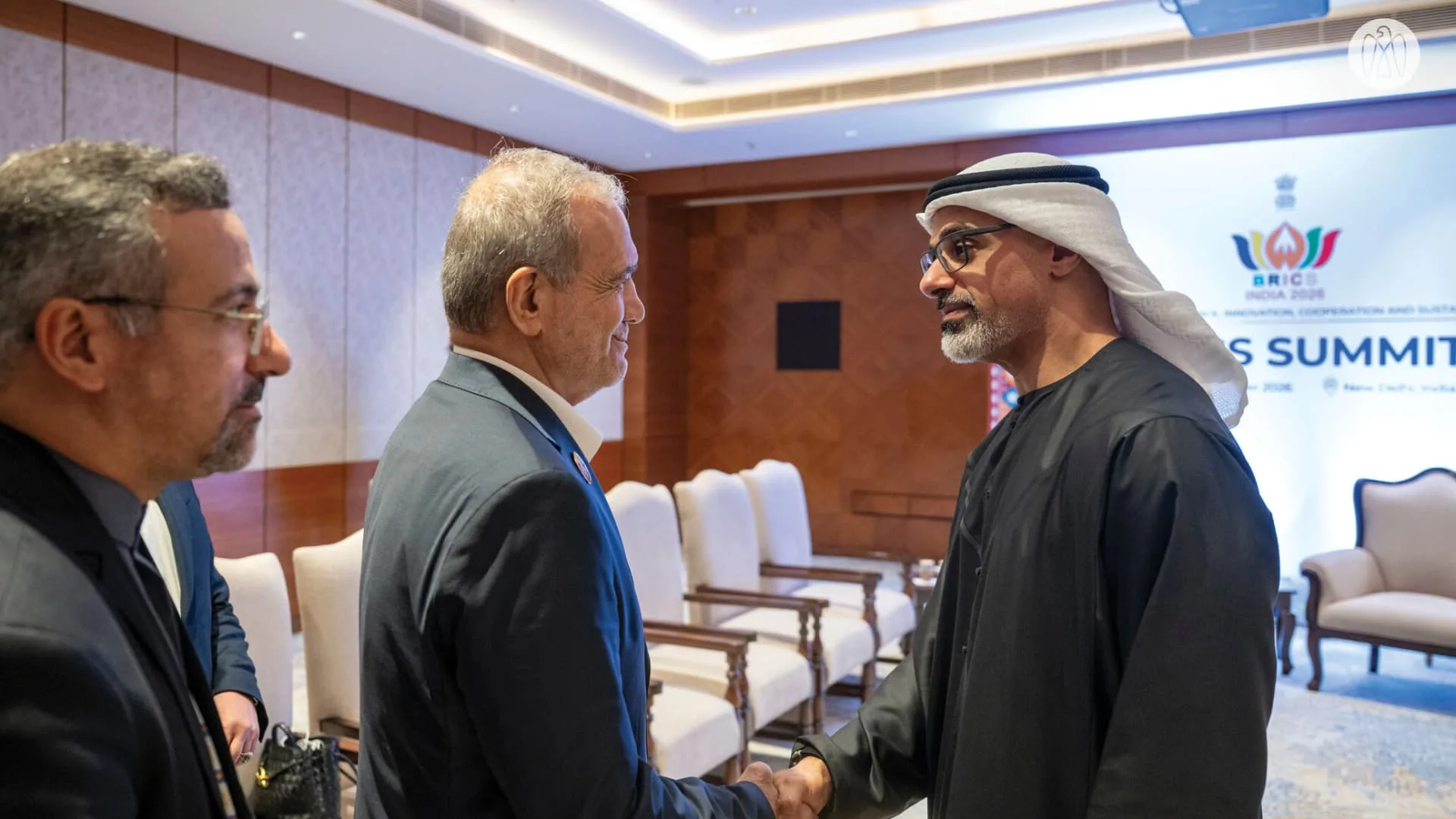
Leaders at the BRICS summit over the weekend stressed the need for peace in the Middle East, but developments in the region continued to add pressure to global markets. The most immediate signal came from energy: Saudi Arabia has shut down its East-West pipeline after drones launched from Iraq damaged the key crude export route.
The pipeline can carry 7 million barrels per day and has been central to easing supply disruptions caused by the Iran war. On Saudi Aramco's August earnings call, CEO Amin Nasser said the pipeline had done more to stabilize oil markets than the large U.S.-led release of strategic reserves.
The BRICS meeting also produced notable political messaging. Indian Prime Minister Narendra Modi said that “peace and tranquility” in border areas are essential for the development of bilateral ties with China. Modi and Chinese President Xi Jinping also issued separate calls for peace in the Middle East.
At the same time, events on the ground suggest the rhetoric is not translating into progress. Iranian President Masoud Pezeshkian said his country would not surrender in the U.S.-Iran war, while there are no signs that talks between Washington and Tehran are about to resume. Ebrahim Azizi, head of the Iranian parliament’s national security committee, wrote on X: “No negotiations. Until Iran’s terms are met, talks are futile.”
Tensions are also affecting shipping lanes. According to the United Kingdom Maritime Trade Operations Centre, a vessel was struck in the Strait of Hormuz on Sunday, adding to risks for energy flows and global trade.
While energy markets assess supply threats, the technology sector is grappling with the pace of AI development. Anthropic CEO Dario Amodei said in an essay published Saturday that AI companies should slow how quickly they improve their most advanced models. The appeal followed warnings from industry researchers that the technology’s potential for catastrophic harm is increasing.
Amodei later said the hardest dilemma is what happens if rival nations, especially China, do not adopt the same restraint. He argued that the incentives to pull ahead, along with the military advantage that could come with it, are extremely strong, though he said the industry should still try to slow the race.
Last week, Anthropic researcher Jacob Coxon said he was leaving the company because he feared it and chief rival OpenAI were “gambling with our lives.” Against that backdrop, Xi Jinping called at BRICS for a “consensus-based global AI governance framework” and said China would help establish a BRICS AI open-source community.
The business impact is already becoming clearer. OpenAI CEO Sam Altman told Fortune that the company will not pursue an IPO this year, saying such a move would be “ill-advised” at this stage. The decision pushes one of the most anticipated IPOs in history to at least 2027 and signals that mounting AI safety concerns are beginning to reshape commercial plans across the sector.





