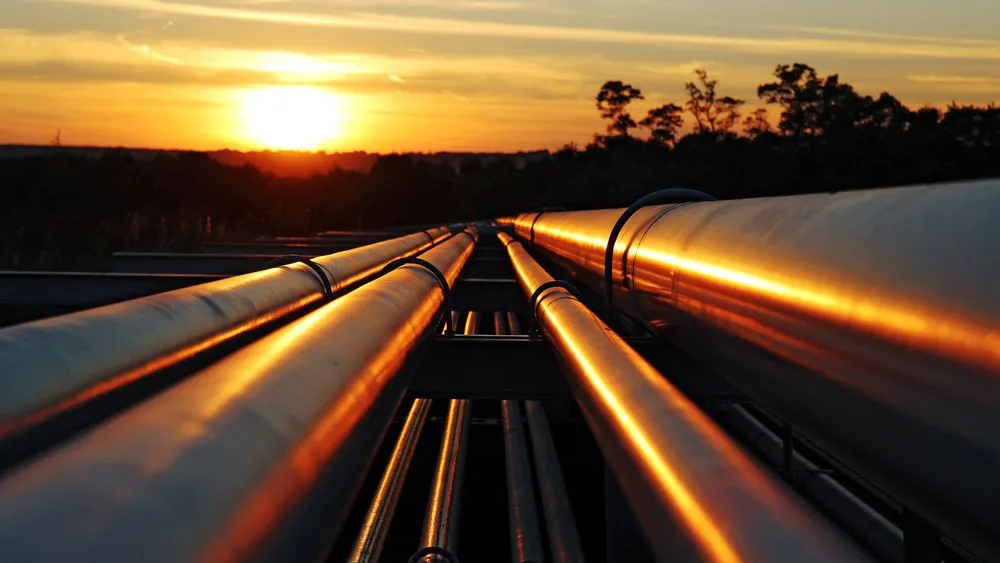

The shutdown of Saudi Arabia’s East-West pipeline has dealt a fresh blow to expectations that oil exports from the Persian Gulf can be sustained by routing supplies around Strait of Hormuz. In his article, Kurt Cobb argues that the pipeline had become a key alternative after Iran closed Strait of Hormuz and tanker traffic fell sharply.
According to the Saudi government, the East-West pipeline can move as much as 7 million barrels per day (mbpd) of crude westward to the Red Sea port of Yanbu. But the article says actual exports are believed to be lower, perhaps around 5 mbpd, because of infrastructure constraints.
The pipeline has now been damaged by a missile and drone attack. Saudi authorities said it was closed “as a precautionary measure,” but the author suggests that description may understate the scale of the disruption. Satellite images cited in the article indicate that at least two pumping stations were damaged.
Cobb argues that repairing or replacing pumping stations could be more complicated than simply replacing a damaged section of pipe, even though much of the line is above ground. He also notes that the pipeline’s 1200-kilometer route is not easy to defend and could be attacked again once it is restored.
The article further says that before the war, roughly 20 mbpd of oil moved through Strait of Hormuz, compared with only 7 mbpd under current conditions. Against that backdrop, the East-West pipeline had become a critical supply route for the global market. But the latest strike, the author argues, undermines the notion that pipelines are a durable answer to a closure of the strait.
According to Kurt Cobb, discussion of building additional pipelines in and around the Persian Gulf does not remove the core risk: in wartime, such infrastructure can also be hit by drones and missiles. In his view, the incident exposes both the fragility of regional energy security and the limits of strategic thinking around the economic consequences of a Strait of Hormuz shutdown.



