Following a protest in front of the government, freight carriers have held two meetings with government representatives over the past four weeks. They told Azatutyun that they have little hope that their problems will be resolved quickly or at all. They say that officials do not refuse to meet with them in an expanded format, but:
“The freight and logistics sector is in such a neglected state that they don’t even know who owns what. Transport belongs to the Ministry of Territorial Administration, which says there are no problems, I am doing my job. Who owns logistics, specifically the intermediary companies, who owns export-import, the Ministry of Economy or the State Revenue Committee? It’s a mixed situation. I see that they are trying to understand, but it’s still not working,” says one of the freight carriers in an interview with Azatutyun.
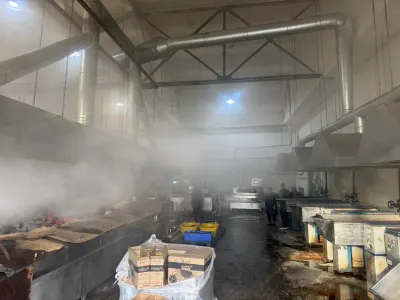
Due to the import restrictions imposed by Russia, the work of Armenian freight carriers has almost come to a standstill. Russia has banned the import of almost the entire range of Armenian agricultural products, as well as some types of dairy products, fish, flowers, mineral and non-mineral waters, and certain types of non-alcoholic and alcoholic beverages. According to freight carriers, the number of goods currently under sanctions is still small. These are mainly exported by foreign carriers. They demand that the government negotiate with Russia and Georgia to provide Armenian carriers with the necessary permits for international freight transport, so-called daftulas, and ensure equal conditions for competition.
Freight carriers have also been raising issues regarding the operations of logistics companies for over a year. They claim that these companies often prefer to work with foreign carriers, who, according to them, pay less taxes in Armenia and can offer services at lower prices.
Other issues include the outdated fleet of trucks. Freight carriers say that most of the vehicles cannot service European routes. They expect the government to assist in acquiring new trucks, for example, through subsidies. However, in this case, freight carriers are concerned about how they will pay off new loans while they have not yet settled existing ones. They also mention that they have visa issues for working in European directions.