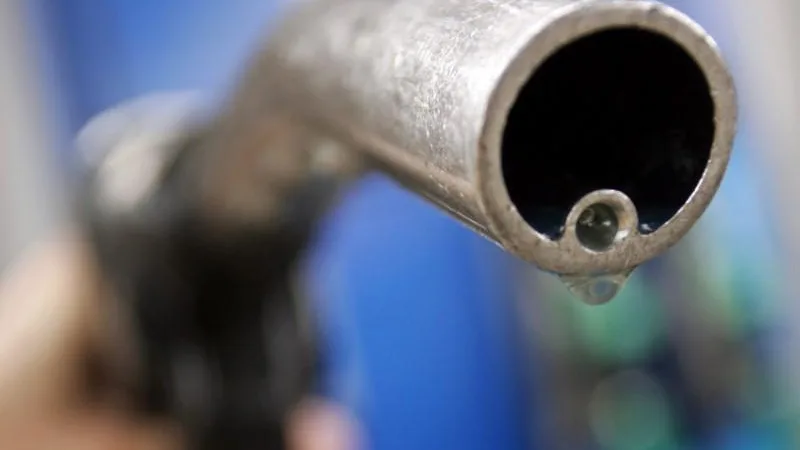

The Czech government will reintroduce price caps on gasoline and diesel from October 1 and is also moving to tax refiners’ extra profits after processing margins surged. Reuters reported that the measures come as Europe’s fuel market faces mounting pressure from disrupted crude supply routes.
Under the government’s formula, the daily maximum price for gasoline and diesel will be set using a three-day rolling average of four benchmarks — Orlen Unipetrol, MOL, ČEPRO and Platts quotations — plus a regulated margin of 2.50 crowns per liter. At the same time, the diesel excise tax will be cut for October from 9.95 crowns to 8.011 crowns per liter, the minimum allowed under European Union rules. Finance Minister Alena Schillerová said the monthly cost to the state budget would be 1.1 billion crowns, or roughly $51.9 million.
The government also wants to impose a tax on 50% of any increase in refining margins above 2025 levels. The windfall tax still requires parliamentary approval, but it would apply to companies with annual revenue above 2 billion crowns. In practice, the report says, that threshold is expected to capture one company: Poland’s Orlen, which operates both Czech refineries. The levy would remain in force through 2027 and is expected to raise about $260 million a year. Schillerová said the measure should help finance the costs the crisis has imposed on consumers and public budgets.
According to UBS data cited by economist Lukáš Kovanda, refining margins at Orlen and MOL, which supply the Czech market, rose to $50 to $55 a barrel in September, up from a historical range of $15 to $20. Although the Czech Republic imported only about 7% of its pre-war oil through the Strait of Hormuz, fuel prices still climbed because European markets are closely interconnected. As the report notes, once refining capacity tightens, even diesel from an unaffected supply chain is priced at the level of the scarcest barrel.
Pressure on logistics has intensified after Houthi forces in recent weeks seized the Yemeni port of Mokha and Perim Island in the Bab-el-Mandeb strait. That effectively shut the Red Sea route Saudi Arabia had been using to bypass Hormuz after its East-West pipeline was damaged in a September 11 drone attack. With both chokepoints constrained at the same time, European refiners have been forced to compete for the same limited crude supplies, lifting margins even at plants that are not directly short of oil.
Saudi Aramco told European term-contract buyers that they would receive no October allocations, redirecting roughly 1 million to 1.5 million barrels a day of Gulf exports instead to buyers in China, South Korea, India and Japan. Poland’s Orlen had already begun sourcing alternative crude before that announcement, the report said.
On September 9, Czech gasoline prices reached 44.22 crowns per liter nationwide, while diesel rose to 47.79 crowns per liter. That was the highest gasoline price since August 2022 and the highest diesel price since April 2026. At the same time, Germany, Spain, Portugal, Italy, Poland and Austria have asked the Irish EU presidency to put a windfall tax on refiners on the agenda for the September Ecofin meeting in Dublin.



