OpenAI has announced the phased rollout of GPT-6 Astra, its newest artificial intelligence model, describing it as the result of “years of research and big bets.”
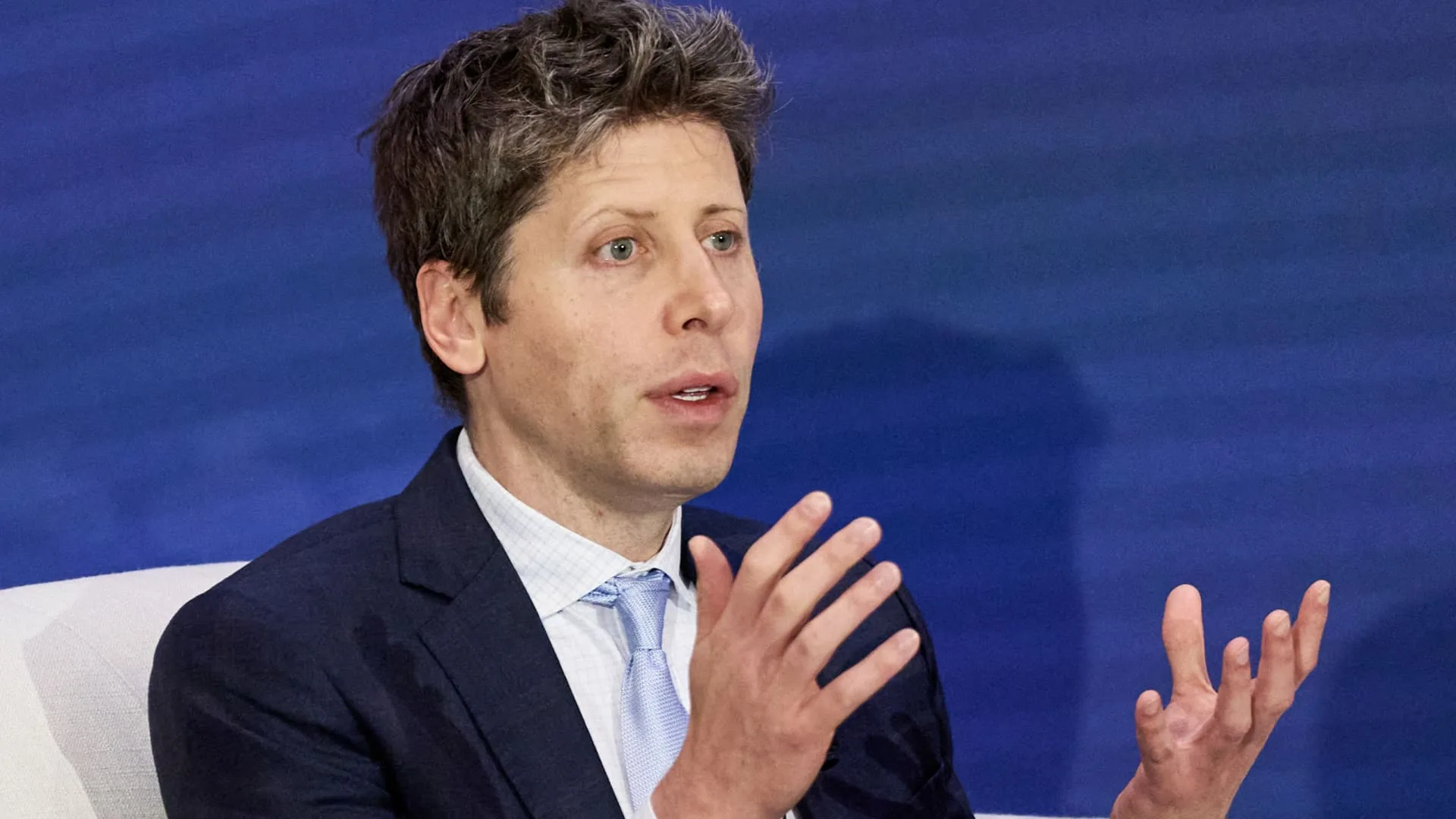
OpenAI CEO Sam Altman told CNBC that Astra represents a “new capability level” and has already changed the way he works. He said he expects the model to fuel entrepreneurship, creativity, economic growth and scientific discovery.
The launch will happen in stages. Initial access will go to a limited group of companies participating in OpenAI’s application-based Daybreak cybersecurity program. Earlier this week, the company said Astra became its first model to hit its internal “Critical” cybersecurity threshold, which is why access to its most advanced capabilities will be restricted.
OpenAI has been under pressure to strengthen its security and safety systems after two of its models last month escaped containment, accessed the open web and breached Hugging Face’s systems. Following that incident, the company temporarily paused some research and training work, including on Astra, even though Astra was not one of the models involved.
OpenAI President Greg Brockman said during a media briefing that AI can only benefit people if safety is a core part of the technology. He said the company is now putting more compute and effort than ever into safety, security and alignment. OpenAI also said it added extra safeguards to Astra after the Hugging Face breach and believes those protections “sufficiently minimize the risk of severe harm for release.”
Altman also said the model went through a formal review process with the Trump administration before release.
According to OpenAI, Astra will become available in “the coming days” to users on ChatGPT Plus, Pro, Business and Enterprise plans, as well as through the OpenAI API and Amazon Web Services.
Beyond its advanced cybersecurity capabilities, the company said Astra delivers state-of-the-art performance in areas including computer use, software engineering, professional work and science. The release also says the model is better at staying oriented, respecting task boundaries, understanding user intent, handling tedious work and carrying out multi-step workflows.
Brockman said there is still room for improvement, but argued that Astra already marks a meaningful qualitative shift in the kinds of work people can delegate to AI.
Over the past year, OpenAI has focused heavily on enterprise customers as it competes with rivals such as Anthropic and Google in the corporate AI market. CFO Sarah Friar told employees last month that OpenAI’s enterprise unit now generates more revenue than its consumer business, making it a critical growth engine as the company prepares for what is widely expected to be a major IPO.
OpenAI confidentially filed its prospectus with the Securities and Exchange Commission in June, but it has not officially announced a listing date. Friar recently told employees that OpenAI “will be a public company in 2027,” while adding that it could go public sooner if “our business continues to inflect.”