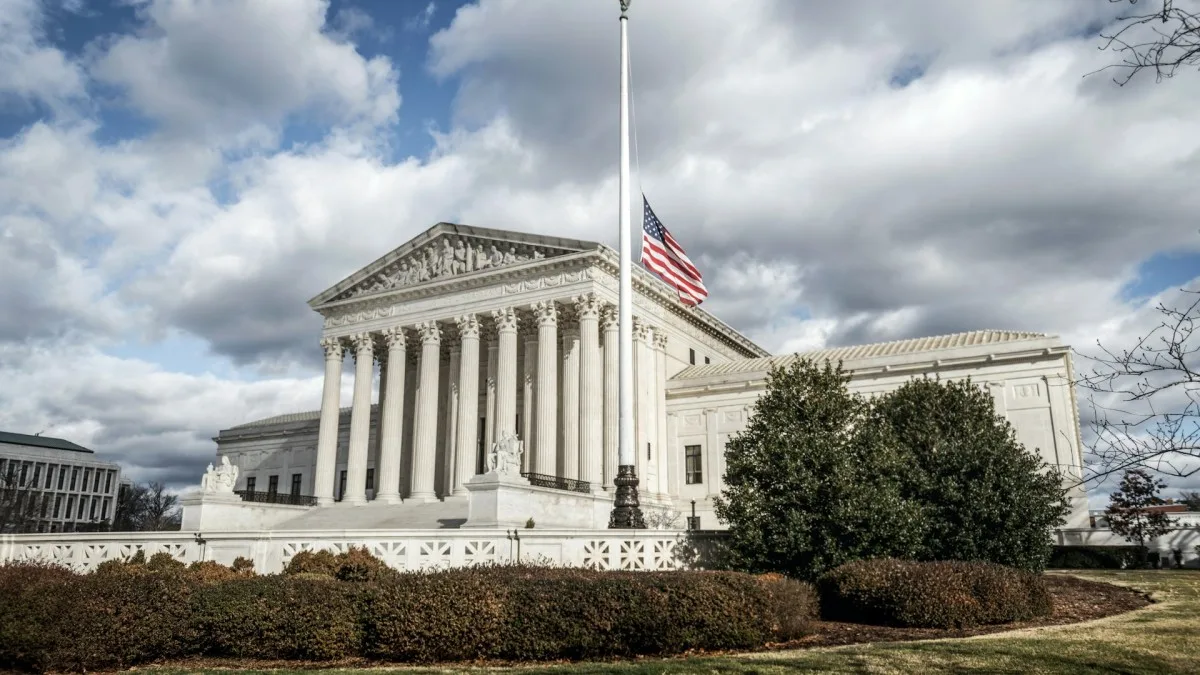

New York’s law aimed at collecting $75 billion for climate damage has run into a major legal setback. The Climate Change Superfund Act, signed by Governor Kathy Hochul in 2024, was designed to make large fossil fuel producers and refiners help pay for climate-adaptation infrastructure. But on August 31, 2026, Chief Judge Brenda Sannes of the U.S. District Court for the Northern District of New York ruled that the measure is preempted by federal law and cannot be enforced.
The law called for raising roughly $75 billion over 25 years, or about $3 billion a year. Its premise was that companies responsible for a large share of accumulated carbon emissions between 2000 and 2024 should bear part of the cost of dealing with the resulting damage. The framework was modeled on the original Superfund law established in 1980, under which companies are required to pay for toxic-waste cleanup after incidents such as oil or chemical spills.
State officials had planned to use the money to restore and protect coastal wetlands, upgrade roads and bridges, improve stormwater systems, elevate and retrofit structures, and support disaster-recovery efforts. When signing the law, Kathy Hochul said New Yorkers were increasingly carrying billions of dollars in health, safety and environmental costs from record rainfall, heat waves and coastal storms, while polluters that had historically harmed the environment should contribute to those expenses.
The court did not accept that approach. In a 63-page ruling, Brenda Sannes described the law as “unusual and sweeping” and pointed to the Second Circuit’s 2021 decision in City of New York v. Chevron. In that earlier case, New York sought climate-change damages from oil companies, and that precedent has now been used against the state’s newer statute as well.
Supporters of the law argue the fight is far from over. Cassidy DiPaola, communications director for Make Polluters Pay, said the ruling rests on contested precedent and that Attorney General Tish James should appeal immediately. State Senator Liz Krueger, one of the law’s sponsors, called the ruling “unfortunate” and said the judge failed to distinguish between New York City’s lawsuit and a state legislature exercising its constitutional powers to raise revenue and protect residents. She added that she had expected “many rounds of legal wrangling” before the law could take effect.
Opposition to the climate superfund has come from several Republican-led states and business groups over the past two years. Their argument is that society broadly benefited from fossil fuel use during the period in question, when renewable alternatives were not yet widely available. West Virginia Attorney General JB McCuskey, whose office led the challenge to the New York law, called the ruling a major victory against what he described as liberal states trying to balance their budgets on the backs of workers in the coal, oil and gas industries.
The dispute has also drawn in the U.S. Justice Department, which last month filed its own lawsuit against the New York law in the Southern District of New York. That case is still pending. Meanwhile, on September 14, New York and the challengers jointly asked for entry of final judgment, a procedural move that would allow an immediate appeal to the Second Circuit.
Kathy Hochul has not yet said whether the state will formally appeal. Still, Ken Lovett, the governor’s senior communications adviser on energy and environment, said taxpayers should not have to foot the bill for damage caused by polluters and that the administration is reviewing its next steps.
Vermont is the only other state to have passed a similar climate superfund law, and it is facing a comparable lawsuit. Several other states have explored the idea of similar funds, but none has yet announced a formal payment scheme targeting major emitters. That leaves the New York and Vermont cases with potential significance for the future of climate-related financial liability policy in the United States.



