
French President Emmanuel Macron said he plans to bring G7 countries together in the coming weeks to discuss another release of emergency oil stocks as Europe faces tighter energy supplies. He said the talks would focus on stock levels, exports and production capacity.
Macron also said France is working to secure diesel, jet fuel and natural gas supplies for the coming months. The report notes that Europe still has an important advantage: unlike the U.S. Strategic Petroleum Reserve, European emergency inventories include not only crude oil but also large volumes of refined products such as gasoline and diesel.
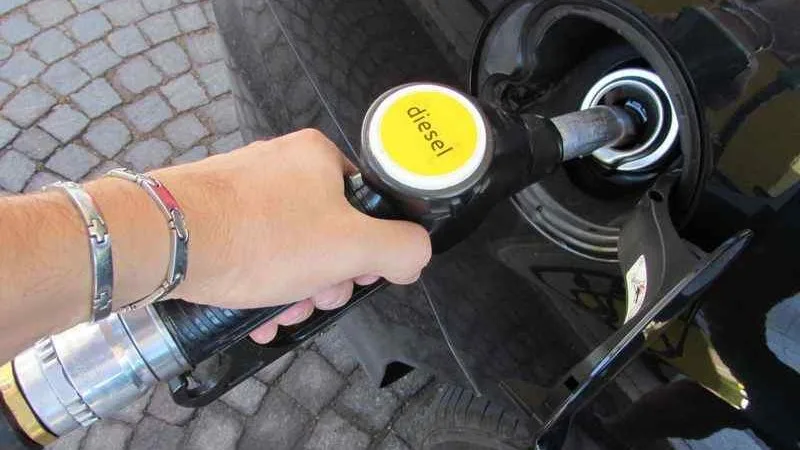
Diesel remains the market’s main pressure point. Europe’s diesel benchmark rose to more than $200 per barrel this week, and taxes pushed the retail-equivalent cost above $300. The squeeze has intensified after Russia extended restrictions on diesel exports, while product exports from the Middle East remain constrained.
Saudi Arabia added to those concerns on Friday. Aramco told at least two European refiners that they would receive no crude under term contracts in October following the attack on the East-West pipeline. The company is trying to restore partial pipeline capacity within days, while a full recovery is reported to take about six weeks.
Aramco has found an alternative route for roughly 60 million barrels through the Persian Gulf and ship-to-ship transfers near Oman. Most of those barrels, however, are headed to Asian refiners, while Europe is replacing lost supply with crude from the North Sea and other sources.
The scope for further intervention is already narrower than before. Since March, IEA members have released more than 300 million barrels of emergency stocks. Even so, observed global inventories are still 507 million barrels below where they stood when the war began, after drawing at an average 2.8 million bpd over the past six months.
According to OilPrice, another release could quickly send additional physical barrels—and crucially, finished fuel—into Europe. But it would not fix Saudi Arabia’s pipeline, restart Russian refineries, or reopen Hormuz.



