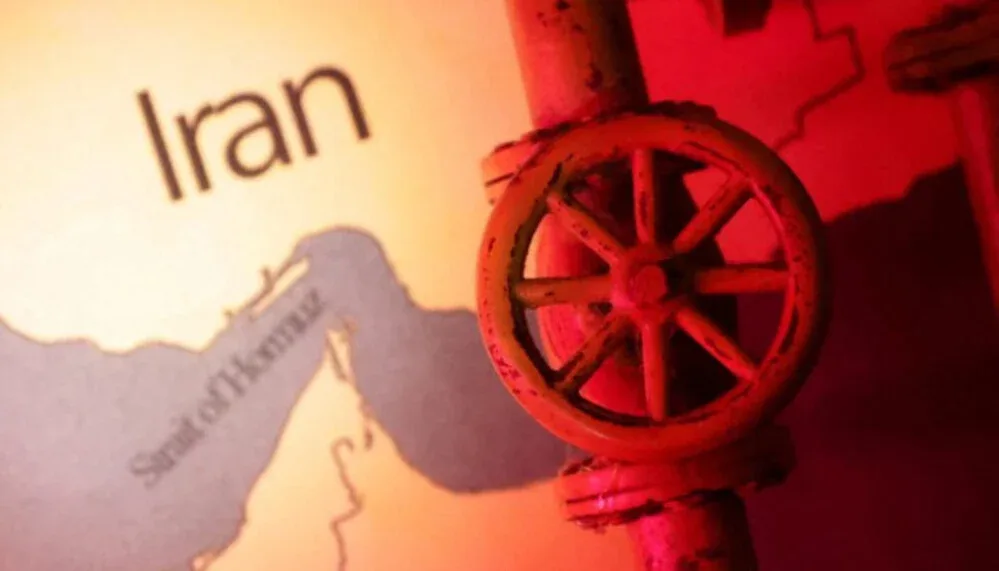
For the first time in history, Iran has not made any significant oil shipments through the Hormuz Strait for nearly seven weeks, according to Reuters. The American naval blockade has achieved what years of sanctions could not, shutting off one of Tehran's main sources of currency revenue.
Unlike previous sanctions campaigns, when Iranian oil continued to reach buyers, the current blockade has halted the export of new batches of crude oil to China, the only major buyer of Iranian energy resources. This adds further pressure on the country's public finances and currency reserves. The IMF estimates that inflation in Iran will reach nearly 70% this year, the third highest in the world after Venezuela and Sudan.
According to data from platforms Kpler, Vortexa, and TankerTrackers.com, after the U.S. reimposed sanctions on Iran on July 14, no shipments of Iranian crude oil have been able to successfully pass through the Hormuz Strait toward China.
As a result, Iran can only sell oil to China from reserves stored on tankers in Asia, but it has no way to replenish them.
Vortexa and Kpler estimate that in August, Iran loaded 220,000 to 255,000 barrels of oil and gas condensate per day. In comparison, in July, this figure was about 740,000 barrels, and in March, around 2 million barrels.
According to Samir Madani, co-founder of TankerTrackers, there are currently 29 tankers in the strait with a total of 36.11 million barrels of crude oil.
Dozens of tankers associated with Iran, known as the