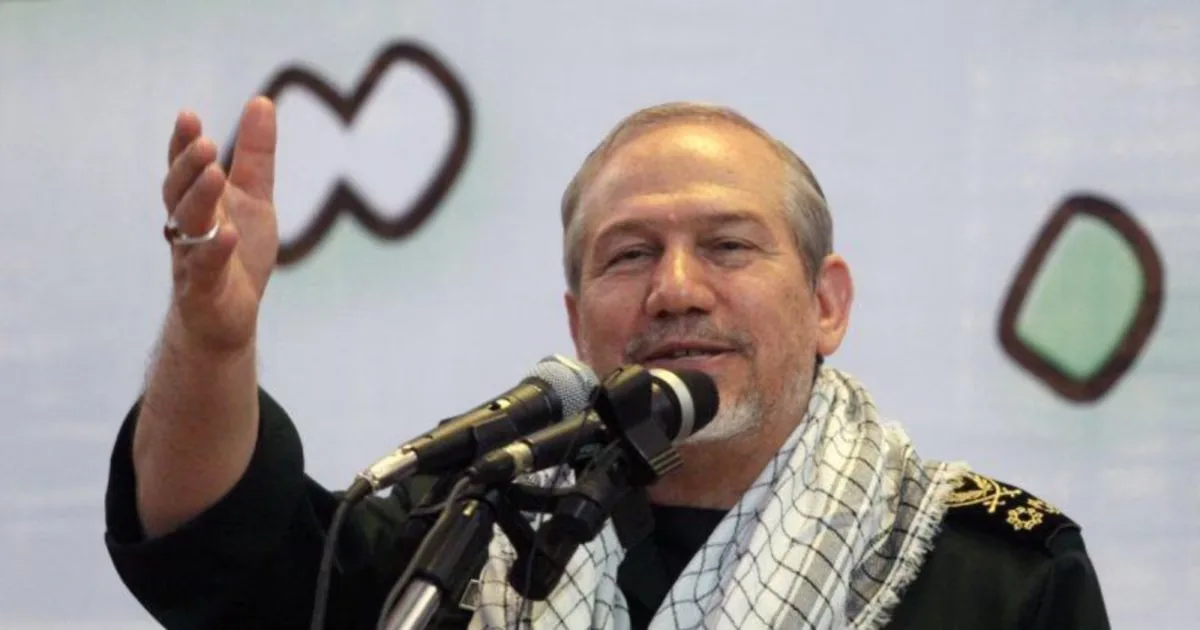
Yahya Rahim Safavi, military adviser to Iran’s supreme leader Mojtaba Khamenei, said the Strait of Hormuz “will never return to its previous state” and that Iran will continue to fully manage and control the strategic waterway.

In a video published by Iran’s Fars and Tasnim news agencies, Safavi claimed that Iran and Oman had reached an understanding on a mechanism for managing the strait, but said the United States had obstructed it.
The Strait of Hormuz remains one of the world’s most important energy trade chokepoints. Before the war, about 20 percent of globally consumed oil and natural gas was transported through it. Now, according to the report, very few vessels pass through the strait each day.
Safavi also said Iran views the Persian Gulf, the Red Sea, the Strait of Hormuz and Bab el-Mandeb as interconnected theaters of war. He argued that this strategy could fundamentally change the nature of the conflict.
He also referred to Yemen’s Houthis, saying they had made advances around Bab el-Mandeb, hold important positions, and pursue their own goals and strategy. According to Safavi, the Houthis have also made major progress in weapons production.
Against that backdrop, disagreements between Washington and Tehran continue not only over control of the Strait of Hormuz, but also over Iran’s nuclear program and sanctions.
Iranian President Masoud Pezeshkian told the UN General Assembly a day earlier that Iran would never surrender to the United States, though it still believes in diplomacy. He also pushed back against comments by US President Donald Trump, saying Iran is not a source of terrorism but a victim of it.
On September 23, US President’s Middle East envoy Steve Witkoff said there had been a meeting with the Iranian side on the sidelines of the UN General Assembly. President Trump described those contacts as “constructive.”
Iranian Foreign Ministry spokesman Esmail Baghaei also said Tehran had passed its conditions for ending the war to Washington in New York through Qatar. Those demands include ending the war on all fronts, lifting the blockade of Iranian ports and the economic war, and releasing confiscated Iranian assets.




