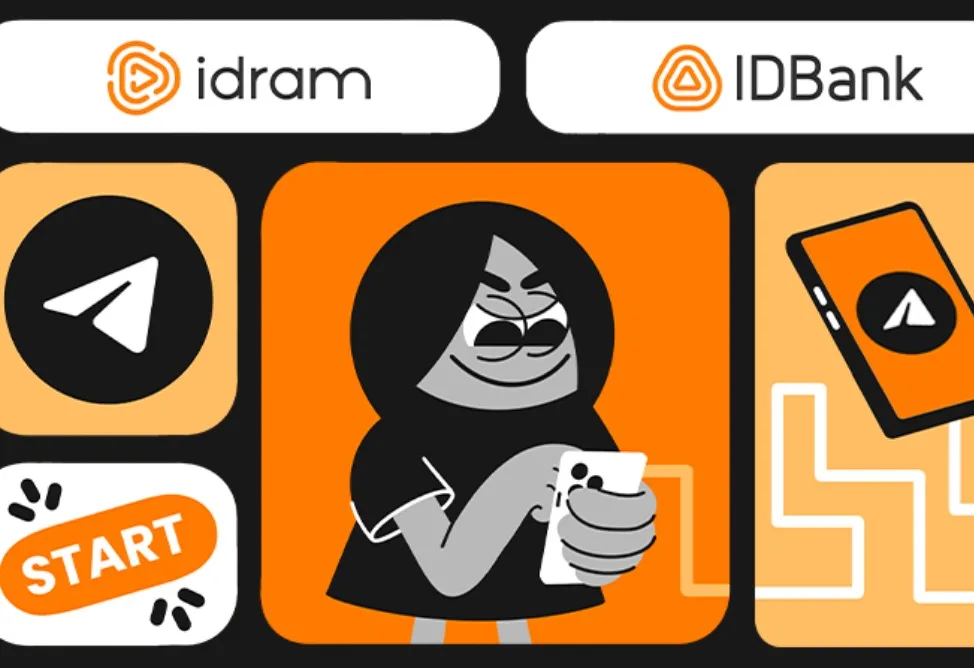

IDBank has warned about a new fraud scheme spreading on Telegram in the Russian-language segment of the platform, including among users from Armenia. According to the bank’s press service, scammers are using the messenger’s features and psychological pressure to extort money by threatening people with loss of access to their accounts.
The scheme starts with a link to a Telegram bot sent under the pretext of a survey, a prize draw, a gift, or account verification. To appear credible, the bot’s name and design may imitate official services such as Telegram Support, Wallet, or BotFather.
Users are then asked to press the “Start” button. IDBank stresses that pressing the button does not in itself give fraudsters control over an account, but it does show that the user has responded to the bait and is willing to keep interacting.
That is when the extortion begins. Scammers claim that by clicking “Start,” the user has supposedly become the “owner” of a malicious bot. They then demand money, saying that otherwise they will use a network of accounts to file mass complaints against that bot. According to their threat, Telegram could block not only the bot itself but also the account that interacted with it or is linked to it. Victims are frightened with the prospect of permanently losing their profile, chats, and contacts.
What the real risk is
The bank says the key element of the scheme is not a technical vulnerability in Telegram but psychological pressure. Simply clicking “Start” does not give criminals the ability to manage or delete a user’s account.
IDBank also advises users not to believe claims that several complaints will automatically wipe out a profile. Telegram reviews user complaints, so the threat of “we will report you en masse and get you deleted” does not by itself mean that scammers can actually make that happen.
Why sending money is dangerous
The bank warns that if a user transfers money to extortionists on their own, the banking transaction is treated as voluntary and confirmed by the customer. That makes such transfers extremely difficult to reverse afterward.
At the same time, payment creates no obligation for the criminals. They may continue the pressure and demand more money, meaning that trying to “buy them off” is almost never a real solution.
IDBank’s advice
- Do not launch unfamiliar bots, especially if they are recommended by random people or offered in exchange for a supposed gift.
- If you have already clicked “Start,” do not send money. Payment will not stop the extortion and will only signal that you may be willing to keep paying.
- Block the bot immediately and report it using Telegram’s built-in function.
- Save screenshots of the conversation in case you need to contact Telegram support or the police.
IDBank says the most effective tool used by scammers in this scheme is the victim’s own fear. The bank advises users not to pay, to pause, and to verify any alarming message through official channels only.
The bank is regulated by the Central Bank of Armenia.