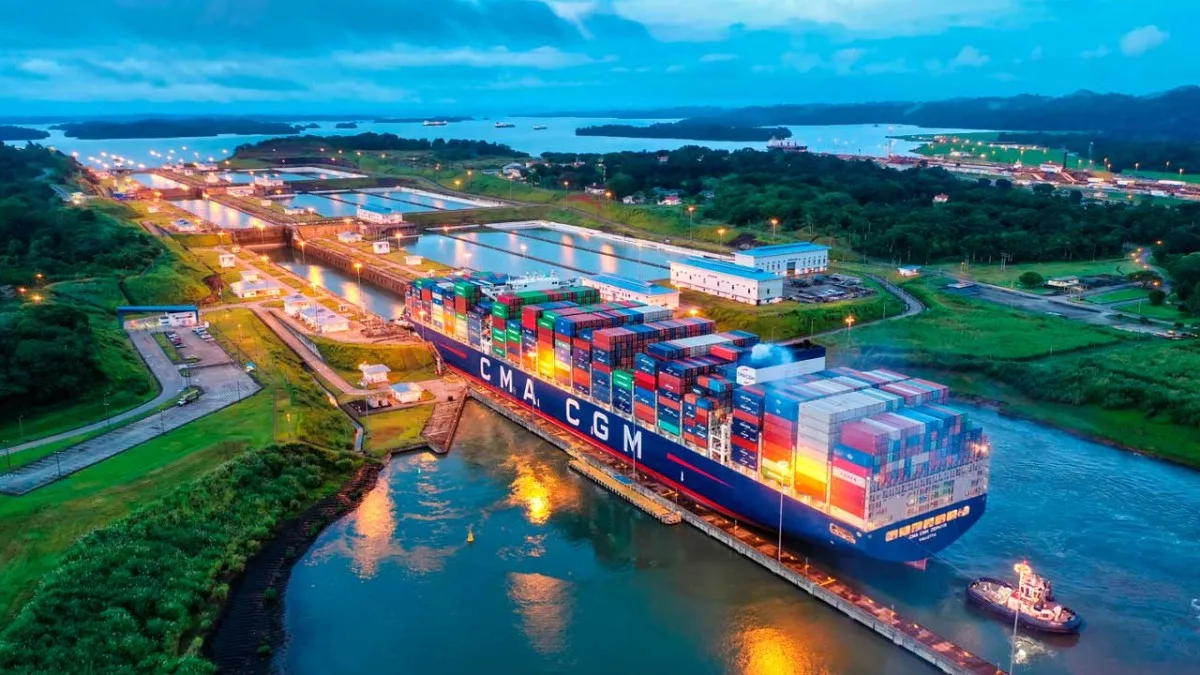
Ongoing disruptions around the Strait of Hormuz and in the Red Sea are now spilling beyond the oil market and into global shipping. According to Oilprice.com, energy cargoes are increasingly being rerouted through the Panama and Suez Canals, making voyages longer, reducing efficiency, and sharply increasing costs.
Over the past six months, traffic of crude oil, petroleum products, and LNG through the Panama and Suez Canals has risen as market participants try to avoid the risks linked to the Strait of Hormuz and Bab el-Mandeb. Against that backdrop, some ship operators are willing to pay $4-5 million at auction to secure a single transit through the Panama Canal on a specific date.
The pressure is especially intense at the Panama Canal. The report says average daily auction prices for transit slot-s topped $1 million in August, a 16-fold increase from a year earlier. At the end of August, South Korea’s SK Gas reportedly paid as much as $5.3 million to secure a September 1 passage, according to Bloomberg sources familiar with the matter. The previous record had also been set in August, at $4.6 million, by another South Korean shipper. These payments come on top of the regular transit fee.
The Panama Canal Authority said recent auction results reflected “significantly stronger demand.” Bloomberg, citing Argus Media data, reported that vessels without a pre-booked slot now face waiting times of 17 days, up from just two days in February. Before the war in Iran broke out in February, the median auction price was around $55,000.
Capacity constraints are adding to the strain. The Panama Canal Authority capped daily traffic at 34 vessels from September 4 and then at 32 ships from September 15 due to reduced rainfall in the canal watershed linked to Super El Niño. At the same time, the canal is dealing with higher U.S. energy cargo exports and stronger Asia-to-U.S. East Coast container traffic during the peak August-October shipping season ahead of the holidays.
The Hormuz crisis has increased crossings of crude, petroleum products, and LNG through the Panama Canal as Asia scrambles for U.S. supply not trapped in the Middle East. Panama Canal Vice President of Finance Víctor Vial said in April that the average auction price for a slot had been $135,000-$140,000 before the conflict began, then rose to about $385,000 in March and April. It is now reaching millions of U.S. dollars for a single transit.
The Suez Canal is also reporting higher revenues and more oil tanker transits as threats to shipping persist in the southern Red Sea and the Bab el-Mandeb Strait. More broadly, demand for moving cargoes, including energy commodities and containers, through both Suez and Panama has surged as the Hormuz disruption tightens the global shipping market and pushes freight rates to all-time highs.
According to the report, the daily rate for chartering a tanker recently topped $1 million for the first time ever. That reflects both a shortage of available vessels to carry crude and fuels and reluctance among some shipowners to risk passage through the Strait of Hormuz.
Shipbroker Fearnleys said in its weekly report that, for now, access to physical crude matters more than freight costs, as refiners scramble to secure supply.




