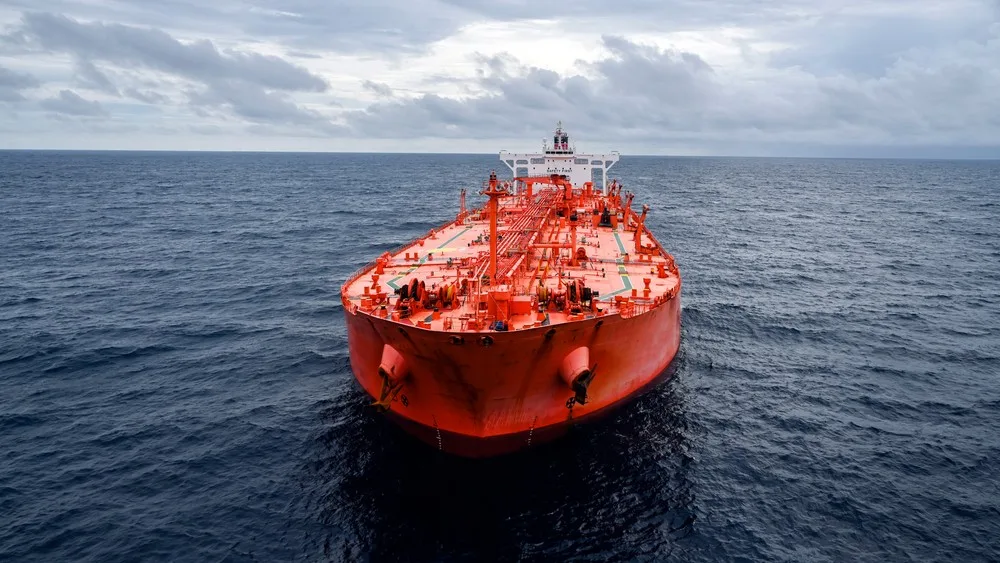

Traffic of commodity vessels through the Strait of Hormuz has continued to decline. Reuters reported that only 12 commodity ships passed through the waterway over the weekend, compared with 35 tankers and other cargo carriers a week earlier.
The agency noted that the figures cover only tankers sailing with their transponders switched on. Many vessels turn them off to avoid detection, and not all ship-tracking services include those ships in their counts.
An earlier Reuters report, citing Kpler data, said only 4 tankers crossed Hormuz last Thursday, down from a 10-day moving average of 16 vessels. Kpler also reported that just 13 very large crude carriers exited the strait in the week to September 13. The data suggest that Iran’s pressure on movement through the waterway has intensified.
At the same time, JP Morgan says tanker traffic is improving on some routes, especially for Saudi Arabia. In a note published on Friday, the investment bank said that “Middle East oil flows remain surprisingly strong despite the disruption to Saudi Arabia's East-West pipeline,” adding that “The most notable pivot has come from Saudi Arabia.”
According to JP Morgan, Saudi Arabia has exported crude at a rate of 2.9 million barrels per day via Hormuz over the past six days. The route involves sending oil by pipeline to the Persian Gulf port of Ras Tanurah, then shipping it on smaller vessels to the Gulf of Oman, where it is transferred to larger tankers.
However, while Persian Gulf flows are rising, exports of Saudi oil from the Red Sea port of Yanbu have again come under pressure. The reason is the latest strikes by Yemen’s Houthi group on Saudi targets. This weekend saw a series of attacks, including on targets in Riyadh and on the port of Yanbu. Yanbu had become Saudi Arabia’s main crude outlet after the Hormuz freeze.



