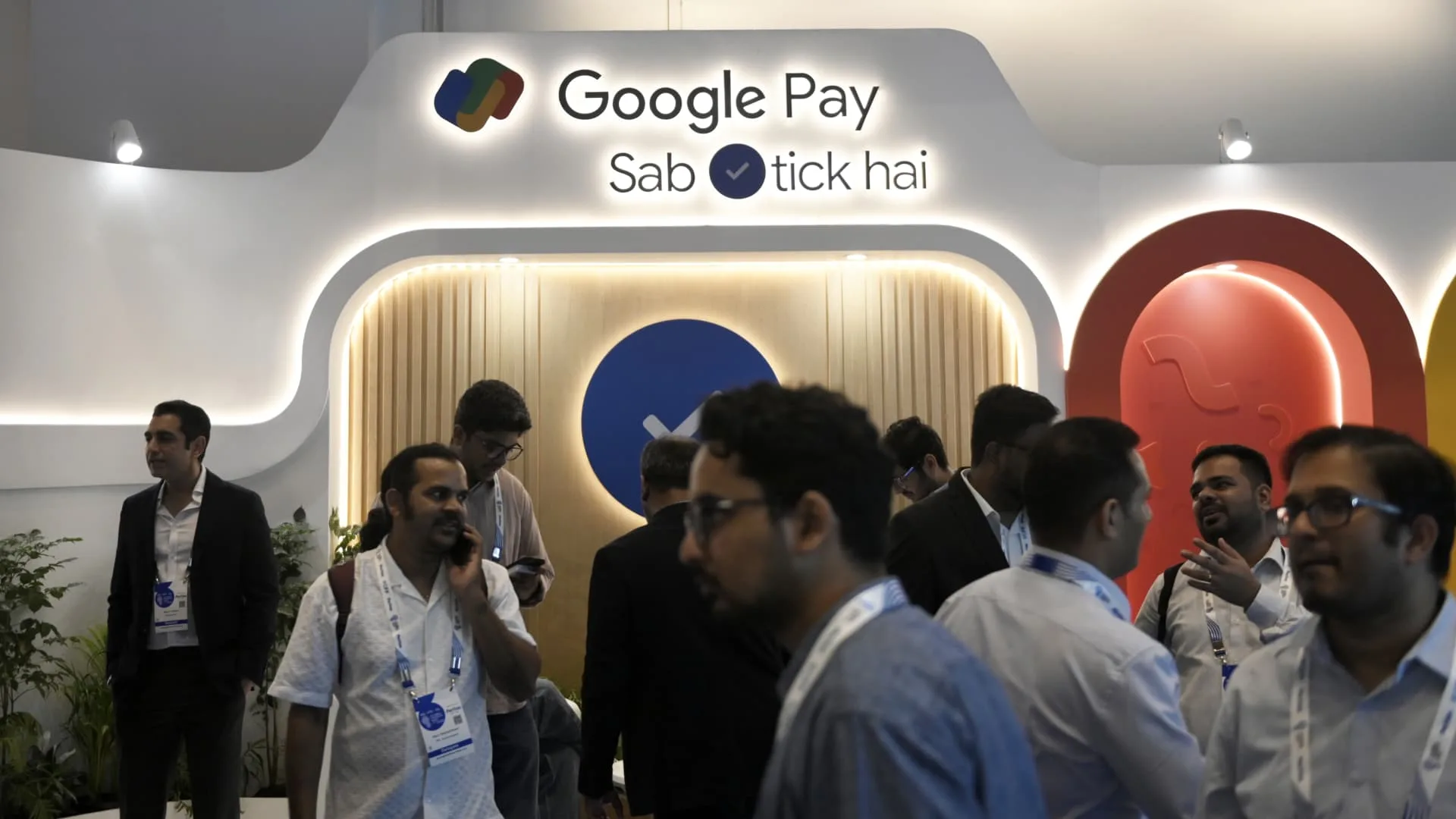
Indian fintech firms that helped drive the country’s digital payments boom are now shifting their attention to credit, a market that remains significantly underserved. Executives speaking to CNBC at the Global Fintech Fest in Mumbai said the next major phase of digital transformation could come from rolling out credit products through the Unified Payments Interface (UPI).
Sameer Nigam, founder and chief executive of Walmart-owned PhonePe, said the opportunity in India’s credit market is more than “double” the size of the payments market. According to the National Payments Corporation of India, UPI transactions reached 314 trillion rupees ($3.2 trillion) in the financial year ended in March. PhonePe and Google Pay accounted for more than 70% of those transactions. July data showed Paytm as the third-largest UPI transaction platform, while Meta’s WhatsApp Pay ranked eighth and Amazon Pay 12th.
Credit through UPI
At the Global Fintech Fest on Thursday, Tiger Global-backed BharatPe launched BharatPe Flex, a product that offers users a pre-approved credit line of up to 60,000 rupees for UPI payments across both online and offline merchant transactions.
“We see a significant opportunity to make formal credit more accessible to consumers,” the company’s chief executive, Nalin Negi, said at the launch.
Deloitte said in a June report that only 15% of adults in India have access to formal credit, compared with a global average of 24%. It added that more than 85% of micro, small and medium enterprises rely on informal and costly financing.
Industry participants say data generated by digital transactions and services is improving access to borrowing, especially for small-sized unsecured loans. Vipin V., managing director and partner at BCG, told CNBC that demand for such loans is rising in India and that fintech companies, thanks to their broad customer reach and convenience, have already “cracked the model.”
As digital payments and services expand, more customer data is becoming available to assess lending risk for previously underserved borrowers, he said. That includes UPI transaction records, purchase histories from e-commerce websites and geolocation data that helps evaluate the economic profile of a customer’s locality.
An opening for small businesses
Speaking at the Global Fintech Fest on Tuesday, Indian Prime Minister Narendra Modi urged fintech companies to increase the share of “non-payment transactions” with the same speed and scale they showed in payments. He said wider access to capital and credit for micro and small enterprises would boost the country’s economic activity.
Amazon Pay, which reaches millions of sellers and consumers through its e-commerce platform, also sees digital lending as a major opportunity in India. The company currently has more than 10 million customers in India using its “pay later” services.
Amazon Pay chief executive Vikas Bansal told CNBC that “digital credit presents a massive fintech opportunity,” adding that the company plans to expand “friction-free consumer credit” across its ecosystem. A study released by Amazon Pay on Thursday identified smaller Indian cities including Coimbatore, Surat, Nagpur, Indore, Prayagraj, Ranchi, Ghaziabad and Ludhiana as the strongest centers of digital credit adoption.





