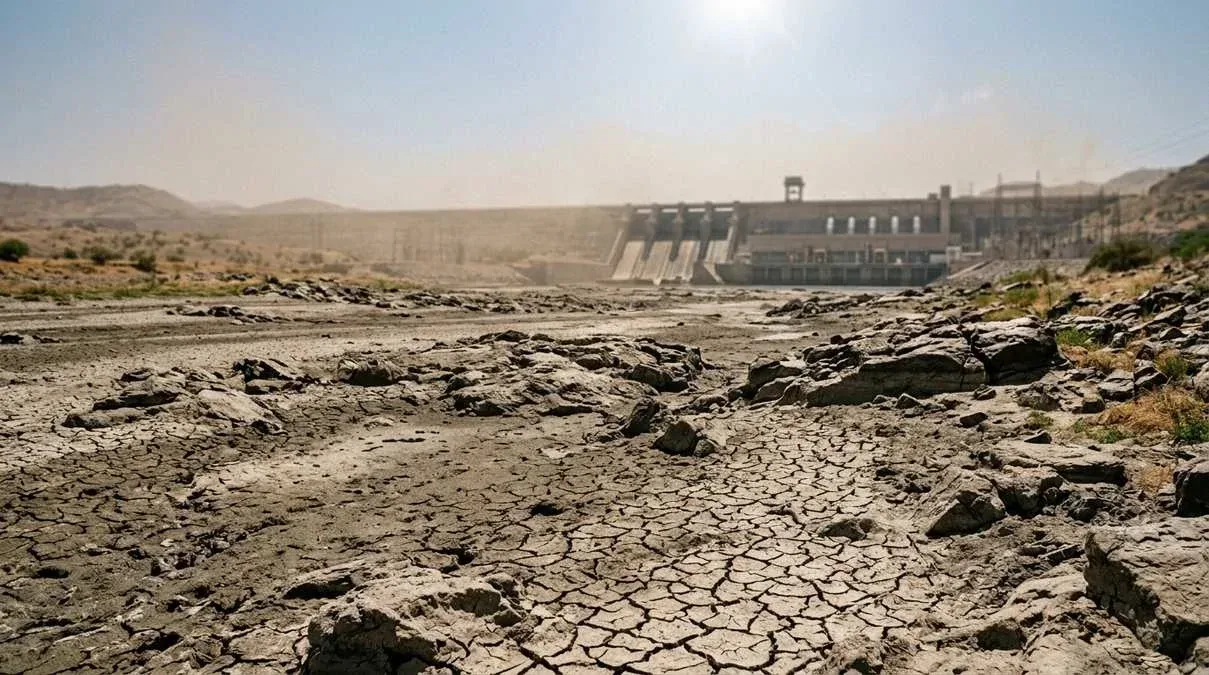
The strongest drought recorded in Europe has hit the fishing industry: the Danube River in Serbia has dried up, and water temperatures have exceeded 30 degrees Celsius. The damage amounts to several million euros, with losses also affecting agriculture and energy sectors.
A local fisherman shared alarming observations in an interview with the Associated Press: a huge number of fish fry have accumulated in the remaining reservoirs. According to him, they are at risk: water levels are extremely low, and temperatures in ponds exceed 30 degrees.
Prolonged heat and lack of precipitation have severely impacted the ecosystems and fisheries of several European countries. The consequences of this environmental disaster are being recorded in Slovenia and Serbia, as well as in fish farming enterprises in Bosnia, the Czech Republic, Romania, and Hungary.
In the wake of this crisis, authorities and businesses in European countries have begun actively discussing strategies to minimize damages from similar weather anomalies in the future. Scientists, for their part, link the increasingly frequent waves of extreme heat and drought to global climate change.
The prolonged absence of precipitation has led to a sharp decline in yields across the continent. The agricultural sector in EU countries has suffered significant financial losses. Harvesting indicators for many crops have decreased significantly, and livestock and winemaking have also been affected.
In the summer of 2026, the drought has spread across approximately 38% of the territory of the European Union. The heat and fires have destroyed pastures and damaged fodder crops, forcing farmers to use feed reserves accumulated for winter earlier than planned. The lack of moisture has also negatively affected the production of olive oil, wine, corn, and sunflower.