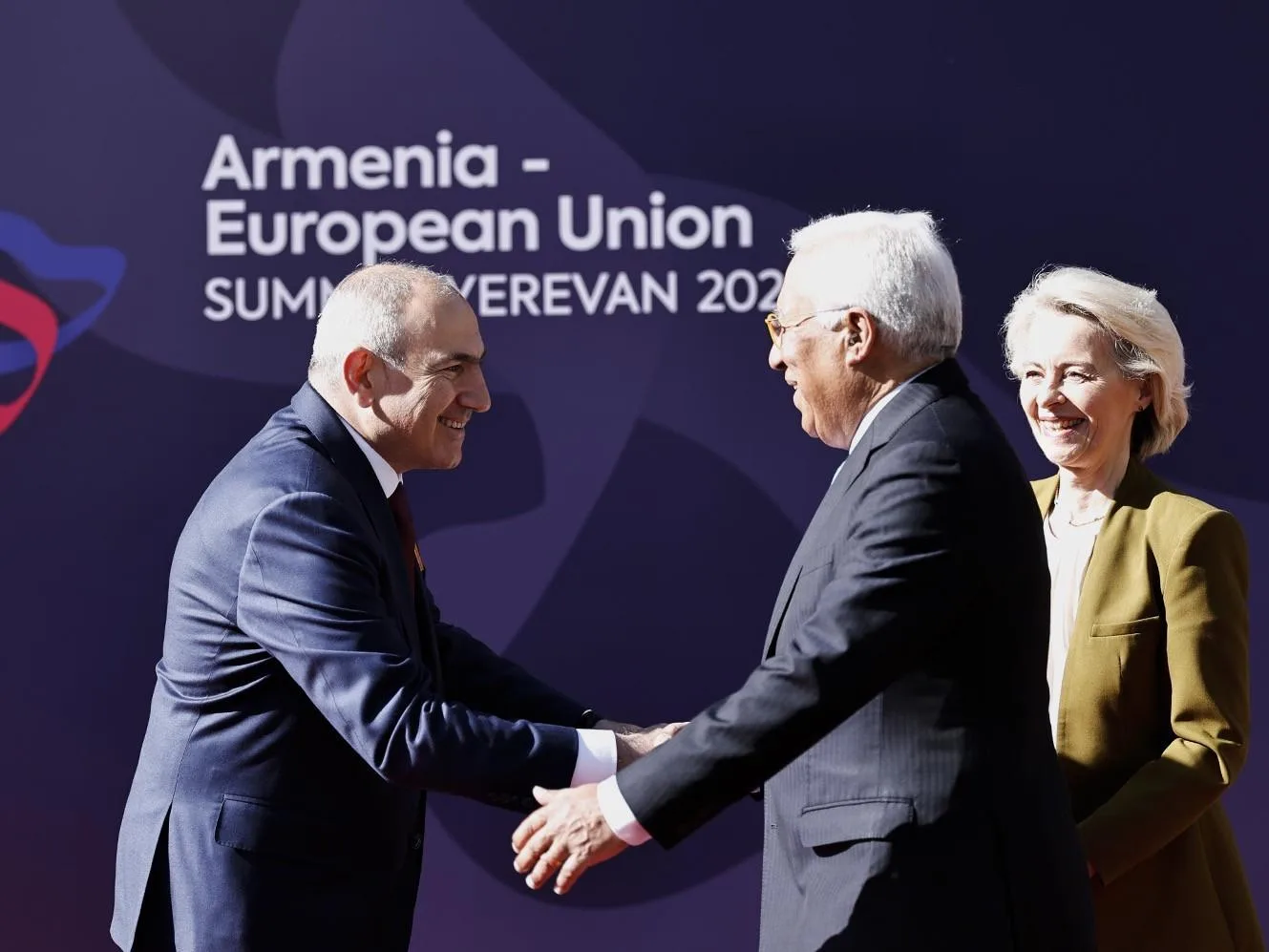
The EU Council today approved the application of autonomous trade measures for Armenia and a legislative initiative that will exempt around 80% of Armenia's exports to EU countries from tariffs.
The EU plans to suspend the collection of import tariffs on a wide range of Armenian products for two years, including certain agricultural products subject to tariff quotas.
“Today’s decision sends a clear message: the European Union will respond to economic pressure. We will continue to create new opportunities and stand firmly by our partners,” commented Ireland’s Minister for Foreign Affairs and Trade, Helen McEntee.
This legislative initiative has been approved without any changes. This means it will be finalized and come into effect by the end of September when the European Parliament will vote on the initiative during a plenary session.
The European Parliament is also expected to adopt this decision without changes.
According to the documents of the legislative initiative, the list will include almost 99% of fresh fruits, vegetables, and plants exported from Armenia to Russia, as well as over 91% of beverages and alcoholic drinks.
The list of goods exempt from tariffs is detailed in two appendices of the initiative.
It is worth noting that the European Commission put forward this legislative initiative when Russia banned the import of several goods from Armenia.
It is important to note that the removal of tariffs does not mean the cancellation of quality standards.
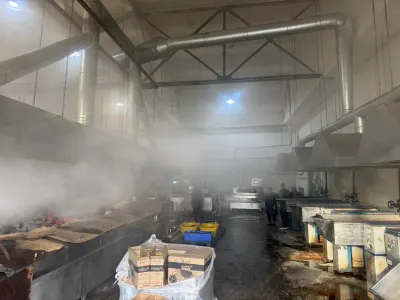
Armenian exporters will be required to provide documents proving the origin of goods exported to the EU and to comply with strict phytosanitary regulations (laboratory standards, product certification, etc.).
Only those companies that have the proper capabilities to ensure and control quality will be able to export agricultural products to the EU. Some of them have modernized their products and aligned them with EU requirements through various EU programs.