The European Union has formally joined the U.S.-led sanctions campaign against Iran, while South Korea says it is considering options that include military support for Washington’s effort to reopen the Strait of Hormuz to commercial shipping. The moves come as the U.S. presses allies to back its confrontation with Tehran on both financial and military fronts.
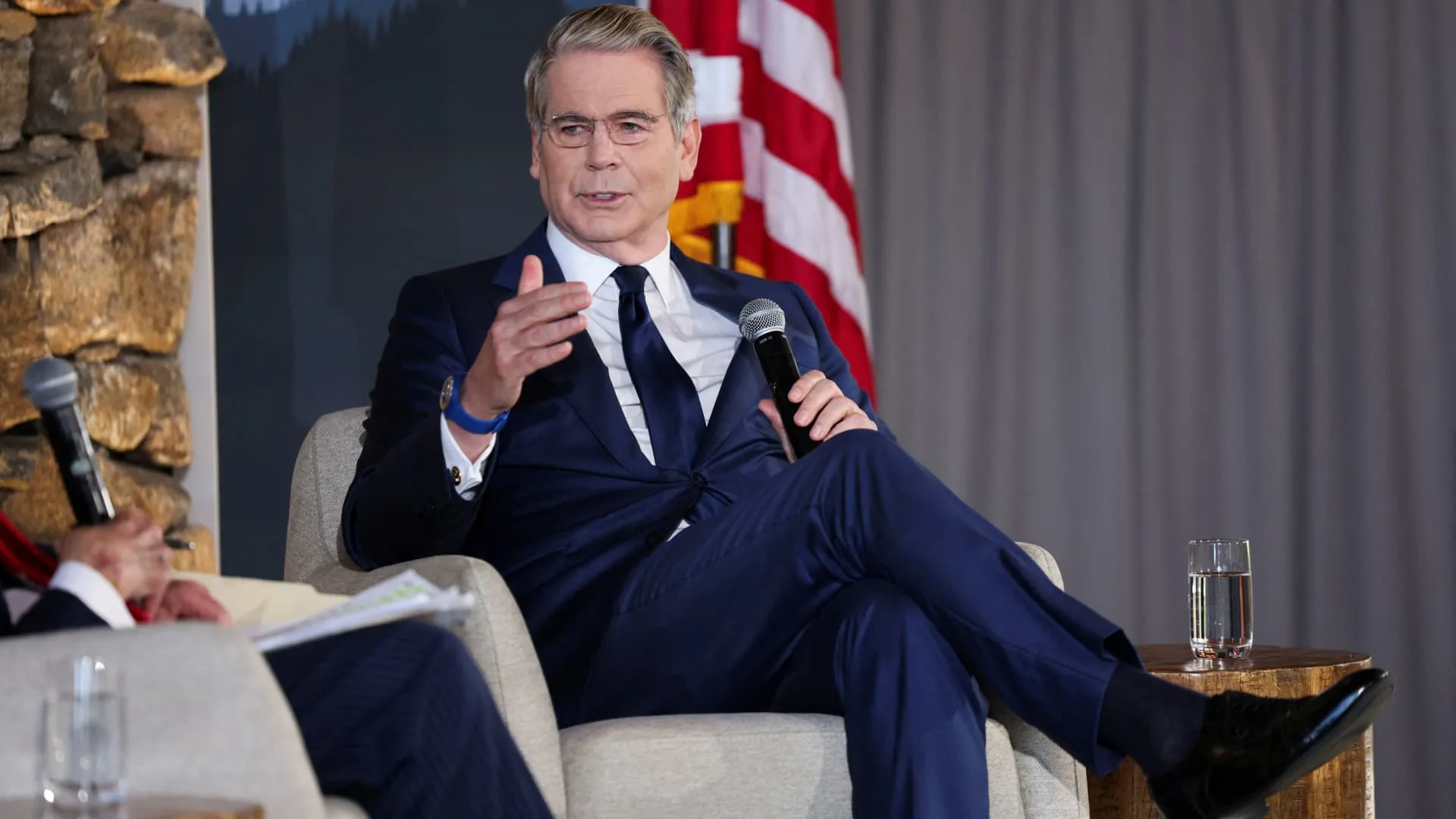
U.S. Treasury Secretary Scott Bessent welcomed the EU’s decision to sign on to “Operation Economic Outcast,” an initiative designed to cut Tehran off from the global financial system. He said the message to the Iranian authorities is that pressure will continue until every remaining financial lifeline is severed.
In a statement issued on Aug. 31, Brussels said it supported efforts to stop Tehran’s “destabilizing activities” and restart peace talks, including through Operation Economic Outcast as a way to increase economic pressure on the Islamic regime. The endorsement came during the week when G20 finance ministers and central bank governors met in Asheville, North Carolina.
The Trump administration launched Operation Economic Outcast in late August. The campaign targets Iran’s access to digital assets, advanced technology procurement, gold reserves, commercial aviation and shipping. Ahead of the summit, Bessent had also indicated that he would push G20 counterparts to cut financial ties with Tehran or face secondary sanctions. He said banks would be the initial focus, with institutions facilitating Iran-related transactions at risk of being shut out of the dollar-based financial system.
Iranian Foreign Ministry spokesperson Esmail Baghaei criticized the EU’s move, describing it as support for Washington’s “economic terrorism.” In a Sept. 1 post, he said the bloc had “surrendered its sovereignty, its laws and regulations, values and ethics to U.S. coercion.”
According to CNBC, China was Iran’s largest trading partner before the war, buying around 90% of the country’s sanctioned crude exports. The EU, meanwhile, continues to maintain its own separate sanctions regime targeting Iran’s nuclear and ballistic missile programs and its military support for Russia.
Seoul considers a possible Hormuz role
Reuters reported that South Korea is reviewing several options, including military assistance, to support the U.S. effort to reopen the Strait of Hormuz for commercial vessels. The presidential office, however, denied local media reports that a decision had already been made. Yonhap News cited officials as saying that details related to the issue have yet to be decided.
Several South Korean media outlets said Seoul was preparing to send troops to the Gulf region before year-end and could seek parliamentary approval as soon as this month. The debate has intensified after Washington voiced dissatisfaction with Seoul’s reluctance to provide military backing in the war against Iran. Against that backdrop, one annual joint drill was scaled back last month and a landing exercise scheduled for September was canceled.
Regional tensions keep rising
Military hostilities in the region have intensified in recent days, reviving fears of a broader war. Earlier this week, U.S. forces launched a new wave of strikes on military targets in Iran, describing them as retaliation for attacks on ships and American forces in the region. Iran responded by firing missiles at U.S. military bases across the Middle East.
Shipping through the Strait of Hormuz, which handled roughly a fifth of global oil flows before the war, remains subdued. CNBC reported that Iran has carried out periodic strikes on vessels using the southern shipping lane near the Omani coast. The U.S., for its part, has maintained a naval blockade in the strait, preventing vessels from entering or leaving Iranian ports in an effort to hinder the country’s crude shipments. U.S. Central Command said Friday that it had redirected 87 commercial vessels, disabled three and boarded two to ensure “total compliance.”