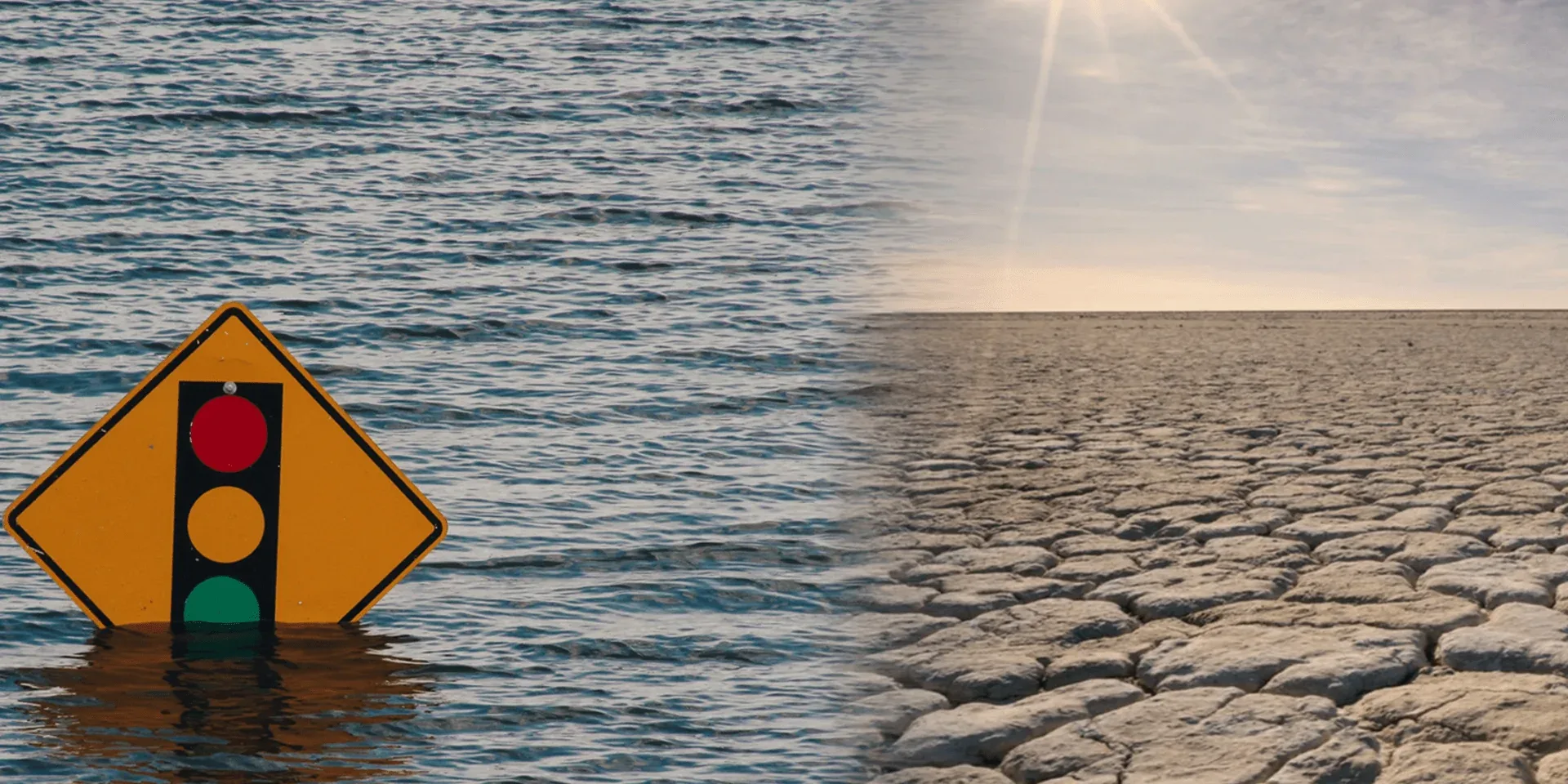
Climatologists predict that El Niño will continue until 2027 and will lead to trillions of dollars in economic losses. Countries in the tropical zone, shipping companies, and copper producers are at risk, already feeling the effects of drought and storms.
The ocean has warmed to record levels, threatening the global economy with trillions of dollars in losses. Journalists from The Wall Street Journal have analyzed how the intensifying climatic phenomenon of El Niño is changing the normal operations of shipping, mining, and agriculture worldwide.
Satellites and ocean buoys recorded the onset of El Niño as early as June. Scientists now note that this phenomenon could become one of the strongest in decades, with ocean water temperatures already exceeding all historical records.
“There is a clear signal that this will be an exceptionally strong phenomenon, and therefore it will have serious economic consequences,” said Christopher Callahan, a climatologist at Indiana University.
The first to raise the alarm were shipping companies operating through the Panama Canal. This waterway is turning into a narrow “bottle neck”: for each ship passing through the canal's locks, it has to release about 50 million gallons of fresh water from Gatun Lake. In drought conditions, this is a serious problem. The situation is further complicated by a lack of rainfall: from May to August, rainfall in Panama has been a third less than normal.
The drought has also hit Zambia. In 2023-2024, water levels at local hydroelectric plants dropped so much that hydroelectric capacity was significantly reduced. This disrupted the operations of copper producers. In the current year, dry weather persists, creating additional problems for river transport.
In Chile, the situation is the opposite: local companies are suffering from excess moisture. The major copper producer Antofagasta has had to lower its forecasts after a powerful storm hit the company's mine in July, covering the area with 5 million cubic meters of snow.
WSJ analysts note that farmers are in a particularly risky zone. Their situation is further complicated by rising prices for fertilizers and fuel due to the military conflict in Iran.