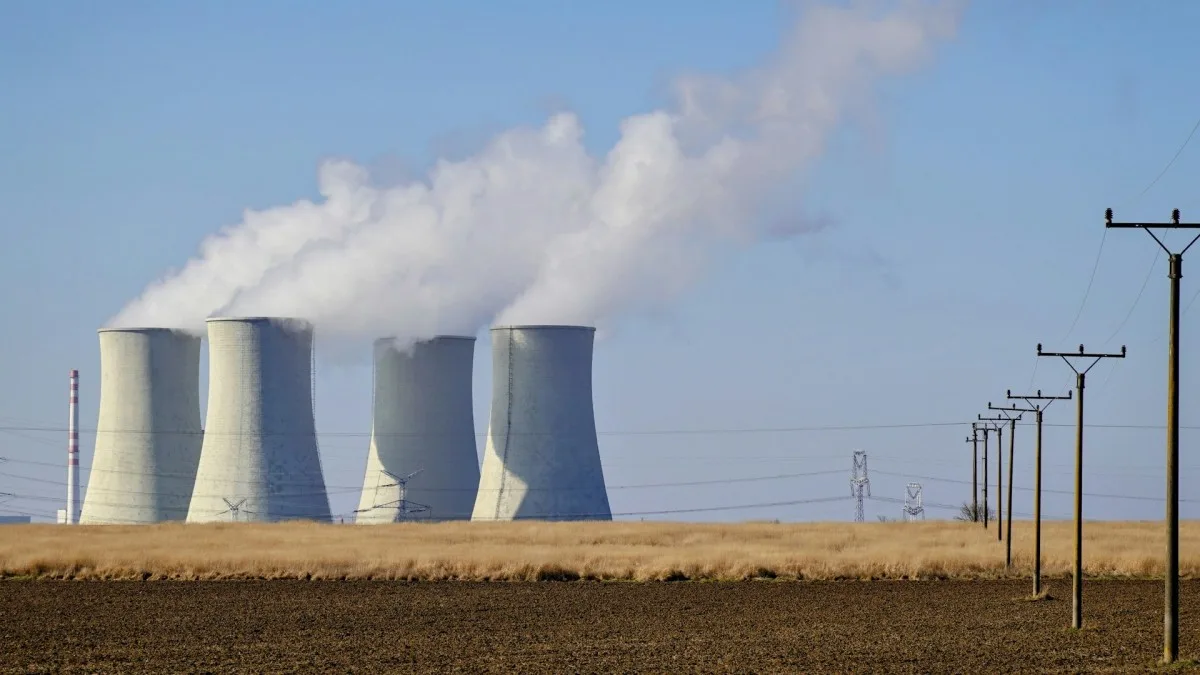
China is set to have the world’s most dynamic and influential nuclear energy sector through 2035, according to analysts. While the United States is still the largest producer of nuclear power today, China’s pace of capacity expansion is putting it on track to become the global leader within the next decade.
OilPrice notes that China added 34 gigawatts of nuclear capacity over the past ten years, while the United States brought only one new plant online over the same period — Georgia’s long-delayed and over-budget Plant Vogtle. Damien Ma, energy lead analyst at Gavekal Technologies, said China’s construction efficiency allows it to build a new plant in about six years, compared with more than a decade for the latest Vogtle reactors in the U.S.
The report says Beijing’s latest five-year plan shows no sign of slowing the push. The Center for Strategic and International Studies (CSIS) argues that nuclear energy supports several Chinese strategic priorities at once, including energy security, technological innovation, and global engagement.
China’s strategy goes beyond adding conventional nuclear capacity. The country is also moving quickly across a broad range of advanced nuclear technologies, aiming to build an integrated ecosystem spanning reactor design, fuel approaches, and industrial deployment. Power Magazine wrote in March that China is assembling a vertically integrated advanced nuclear system, ranging from thorium-related technology to commercial supercritical CO2 generation.
The United States is also trying to strengthen its aging nuclear sector and expand its global role. According to the article, the U.S. administration has promoted next-generation reactors and nuclear fusion technologies while also seeking to reduce dependence on international nuclear fuel supply chains by expanding domestic uranium extraction and enrichment. Even so, the U.S. advanced nuclear sector still trails China in spending and technical expertise.
The article also highlights a notable move by Beijing this week: China signed an agreement with the International Atomic Energy Agency (IAEA) to share more of its expertise in high-temperature gas-cooled reactors, or HTGRs. These fourth-generation reactors can operate at extremely high temperatures, creating opportunities not only for electricity generation but also for industrial heat applications.
According to the report, the new agreement covers cooperation in HTGR research and development, reactor design, construction, commissioning and operation, along with information sharing on supply chains and personnel training. That could give other countries broader access to China’s engineering experience as interest grows in nuclear systems that can provide both electricity and high-temperature industrial heat.
The article concludes that this opening could become an early step toward a more cooperative response to two growing challenges: climate change and rising power demand driven by artificial intelligence, both of which are increasing the need for round-the-clock clean energy.




