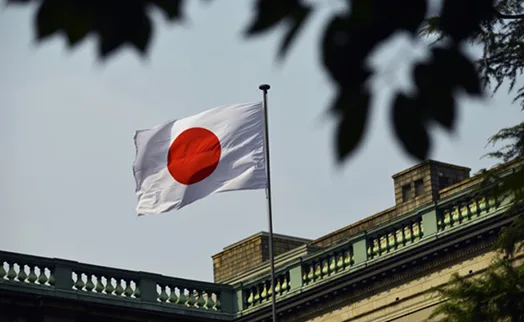

The Bank of Japan raised its key interest rate to 1.25% from 1% on September 18, taking it to the highest level in 31 years. Reuters reported that the central bank also signaled it is prepared to keep raising borrowing costs as inflationary pressure persists.
The decision passed by seven votes to two. Board members Toitiro Asada and Ayano Sato opposed the move, arguing for a more cautious approach.
It was the first rate increase in three months. The move brings the policy rate closer to the level the Bank of Japan considers neutral for the economy and extends the regulator’s shift away from its long-running ultra-low rate policy.
The central bank said economic and price trends are broadly in line with its baseline outlook, but the risk remains that underlying inflation could deviate from the 2% target. Wholesale inflation is still elevated, while price pressure in the corporate sector is beginning to feed into consumer prices. According to the regulator’s assessment, core inflation has moved close to 2%.
Despite the rate hike, the yen weakened to 156.91 per dollar. Investors focused on the lack of stronger guidance on future monetary tightening, as well as the two dissenting votes against the increase.
Markets are now awaiting a press conference by Bank of Japan Governor Kazuo Ueda for further clues on the timing and pace of additional rate hikes.



