More than a dozen U.S. colleges now list annual tuition costs above $100,000, but those headline prices are not translating into financial stability. CNBC reports that many high-cost institutions are facing significant economic pressure despite the surge in sticker prices.
Research from the State Higher Education Executive Officers Association shows that tuition revenue is actually declining even as listed prices rise. A 2024 study by the Federal Reserve Bank of Philadelphia also found that higher financial aid costs, rising operating expenses and falling enrollment have created serious headwinds for the sector.
David Greene, president of Colby College, said several small colleges have already shut down in recent years and the trend is expected to accelerate. He described the situation as a “ticking time bomb” in higher education.
One driver is the “high-tuition, high-aid” model, under which colleges raise tuition while also increasing grant aid to attract students and meet enrollment targets. Emily Cook, an assistant professor of economics at Texas A&M University, said that model has spread gradually over time.
For students and their families, the actual amount paid — the net price — is the tuition charge minus grants, scholarships and other aid. But that final cost is often unclear until an admission offer arrives, and even then aid packages are not always final.
Preston Cooper, a senior fellow at the American Enterprise Institute, said higher education is one of the least transparent sectors of the economy, comparable in that respect to healthcare. He argues that at some expensive schools most students do pay the full sticker price, while mid-tier private colleges are more likely to rely on steep discounts to bring in applicants.
According to Cooper’s research, at some of the country’s most expensive institutions, including Georgetown and Tufts University, roughly 50% to 60% of students receive no grant aid at all. At the same time, the average tuition discount for first-time, full-time students at private colleges reached as high as 57% in the 2025-26 academic year, based on data from the National Association of College and University Business Officers.
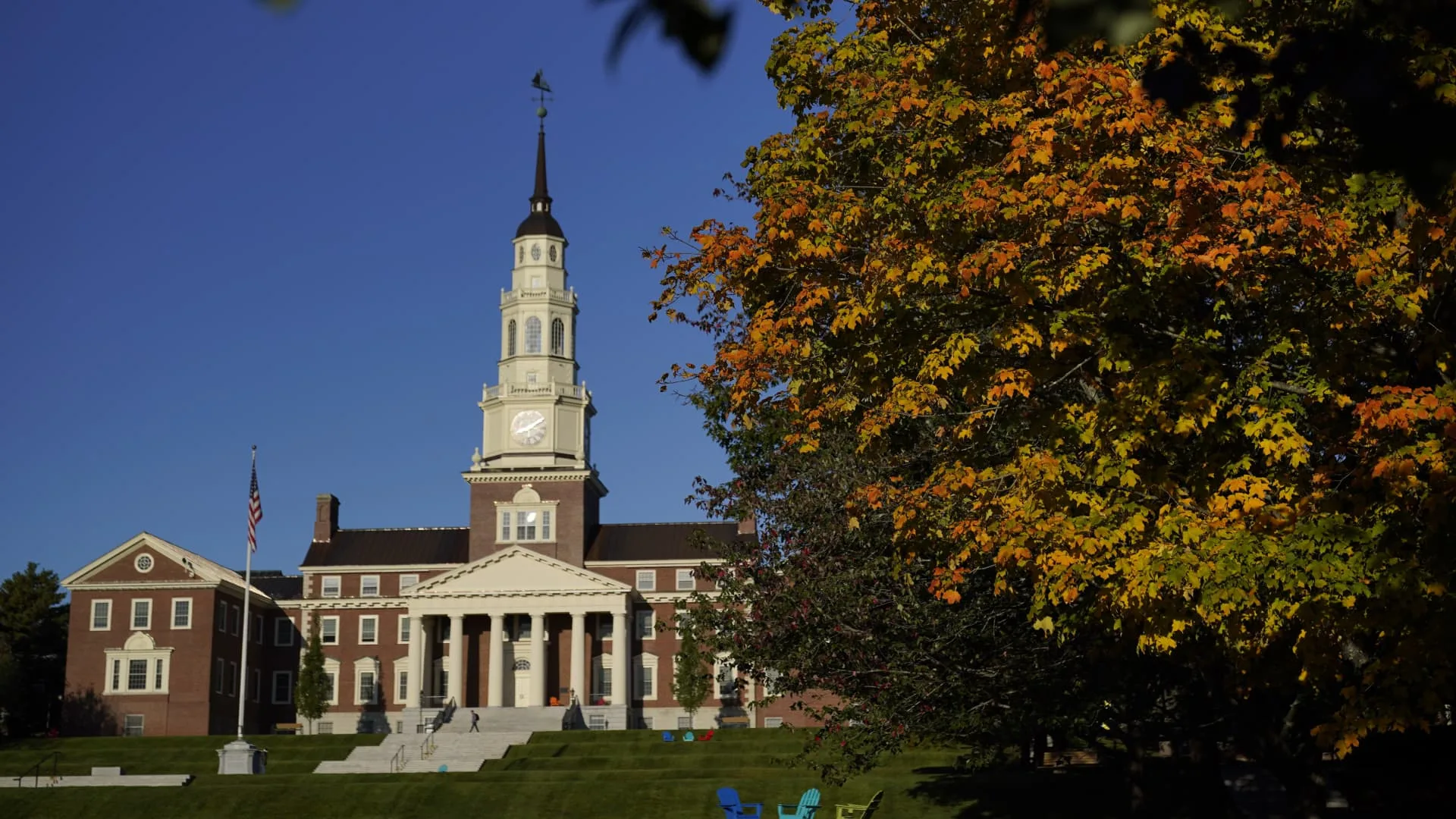
At Colby, the annual sticker price is about $96,120, while the average financial aid package is roughly $77,757. The college has been able to support that level of aid in part through a major fundraising campaign that has brought in more than $1 billion to strengthen its long-term financial position.
Still, Greene said that kind of outcome would be hard for many other institutions to replicate. If colleges cannot cover their costs over time, the model will eventually break down. He said many private liberal arts colleges now have almost no families paying full tuition out of pocket — a pattern he called a “death spiral.”





