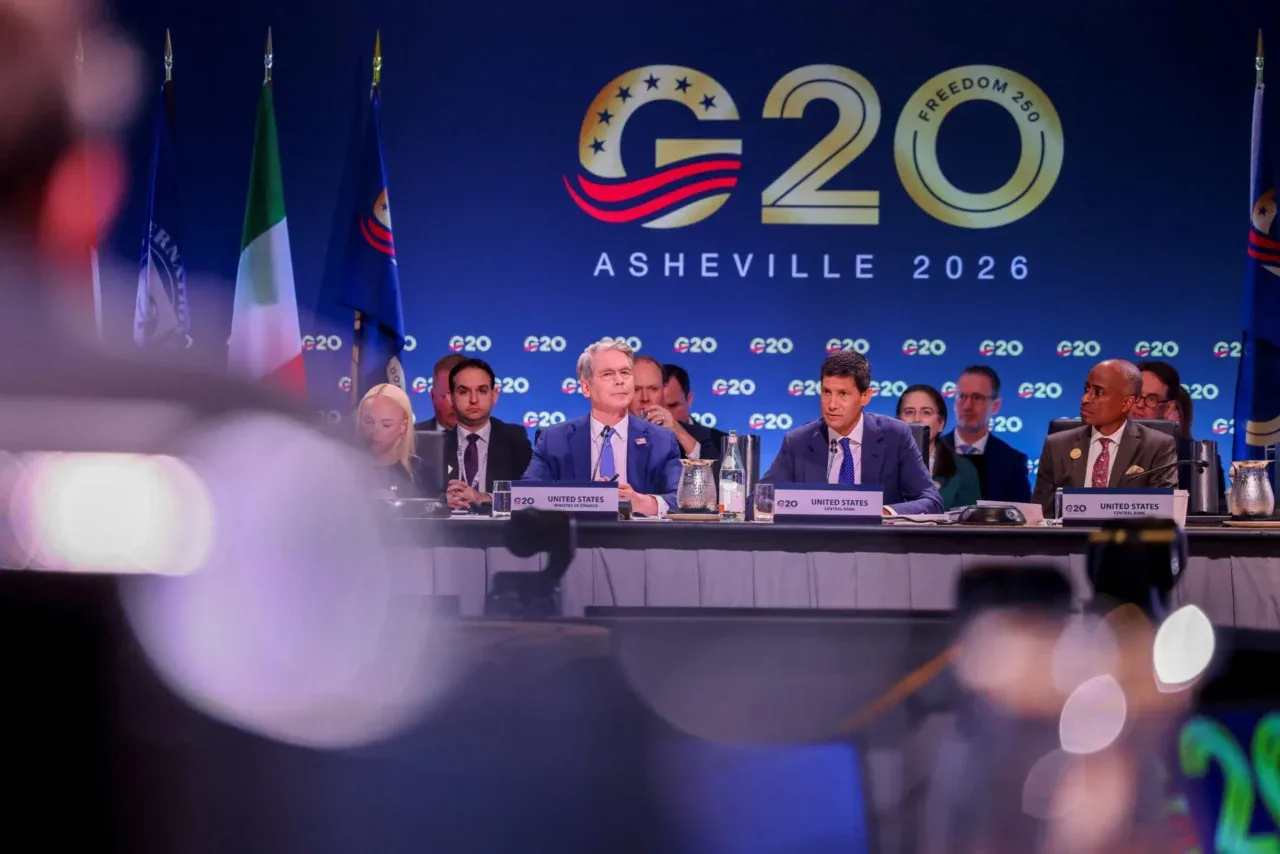
US Treasury Secretary Scott Besant has called on G20 countries to reconsider trade terms with China to reduce global imbalances and encourage Beijing to shift its economy from exports to domestic consumption:
In an interview with Reuters ahead of the G20 finance ministers' meeting, Besant stated that the current volume of Chinese exports is unstable, although the trade balance between the US and China is «improving rapidly»:
«The world cannot deal with China, which has a trade surplus of $1.2 trillion. The economy in China is quite weak, and they are trying to get out of the crisis through exports. They need to balance their economy,» the secretary stated:
Besant's call for systematic trade measures against Beijing comes at a time when Washington is forced to reconsider its customs policy due to court rulings:
As Reuters notes, previously established measures have sharply reduced imports from China to the US, but at the same time led to an increase in supplies of Chinese goods to other countries, especially Europe and Latin America:
In the interview, Besant stated that he had warned other developed economies about the growing pressure of imports from China last year, and now «they are facing quite a tough choice». According to him, other countries themselves need to create incentives for China to redirect its economy from exports and strengthen chronically weak domestic demand:
«The rest of the world will have to reconsider trade terms with China,» Besant believes:
Reuters reports that the US aims for a joint G20 statement that aims to reduce trade and current account imbalances:
According to data from the US Census Bureau, tariffs imposed by Donald Trump after his return to the White House contributed to a one-third reduction in the US trade deficit with China in the first six months of 2026 compared to the same period in 2025, down to $73.9 billion:
Meanwhile, in January of the previous year, there was a noticeable acceleration in imports from China as importers sought to prevent the expected imposition of tariffs:
Although some economists and European leaders have called for systematic measures to strengthen the yuan, Besant has questioned the effectiveness of such a move. The IMF estimates that the yuan may be undervalued by 21%: