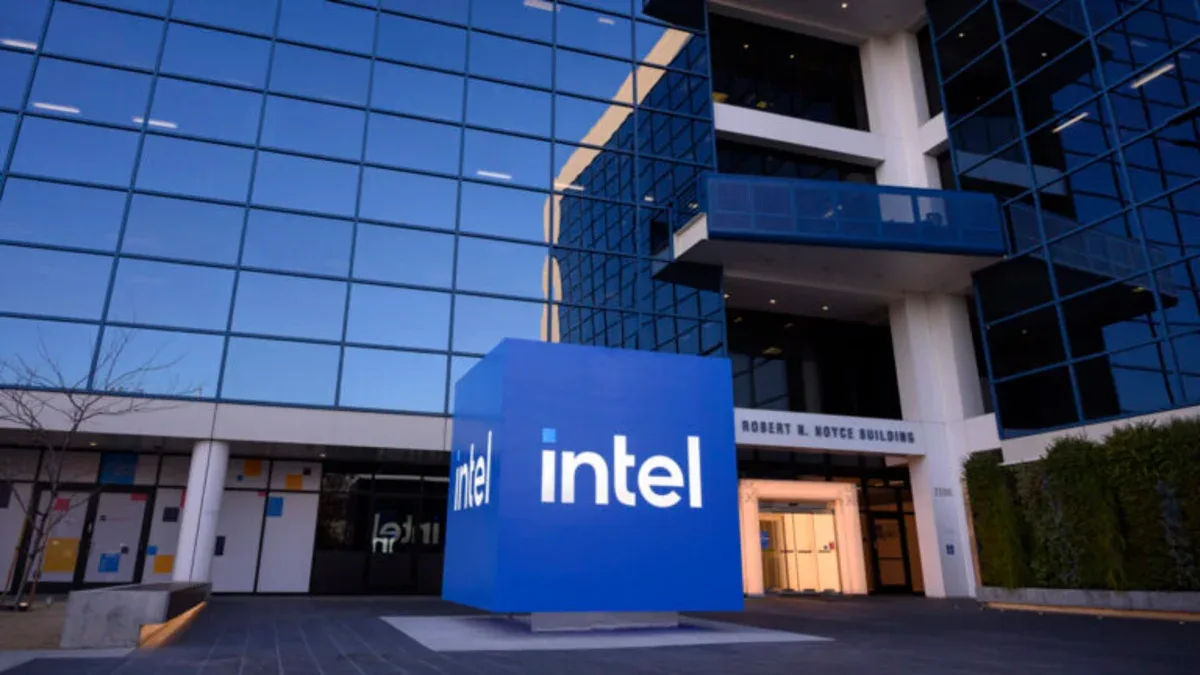
Altera, the programmable-chip business Intel separated and ceded control of to Silver Lake last year, is moving back toward the public market. On September 15, the company said it had confidentially filed for a U.S. IPO. Reuters had previously reported that the offering could raise more than $2 billion.
Silver Lake now owns 51% of Altera after investing $4.46 billion for control, while Intel Corporation (NASDAQ:INTC) retains 49%. If the listing goes ahead, investors would get a stand-alone market valuation for a business that has largely been buried inside Intel’s broader turnaround story.

Intel bought Altera in 2015 for $16.7 billion, then later carved out the business and sold control to Silver Lake. A public offering matters for Intel because it could establish a new market value for the stake it still owns at a time when the company needs capital for foundry expansion and is still trying to regain competitiveness in conventional CPUs and advanced manufacturing.
The article argues that a strong valuation could make visible the worth of an asset that investors often overlook within Intel’s much larger restructuring effort. The risk, however, is that investor enthusiasm for anything tied to AI may run ahead of the company’s operating reality.
Altera makes programmable chips for industrial, communications, aerospace and data-center markets. Management has projected revenue growth in the mid-20% range for 2026, but investors will still need to judge how much of that expansion is truly being driven by AI demand.
AMD is the clearest benchmark
The article points to Advanced Micro Devices, Inc. (NASDAQ:AMD) as the most relevant strategic comparison. AMD bought FPGA leader Xilinx in 2022 and folded programmable silicon into a much broader data-center portfolio. Xilinx gave AMD FPGAs, adaptive SoCs and software that can sit alongside EPYC CPUs and Instinct accelerators.
That combination may appeal in heterogeneous systems, although the article also notes the bear case: AMD paid heavily to build that portfolio, and combining multiple product families does not guarantee that every FPGA workload will migrate into AMD’s ecosystem.
Hedge fund interest has increased
According to Insider Monkey, 138 hedge funds held Intel in the second quarter, up from 112 in the first. AQR Capital Management held about 10.7 million shares after trimming its position by roughly 7%.
AMD also drew more fund interest, with ownership rising to 164 funds from 134. Marshall Wace held about 3.9 million shares after a modest increase. As of August 31, Intel had about 152.2 million shares sold short, or roughly 3% of its public float.
Altera’s final offering terms have not been set, so the more-than-$2 billion figure remains a reported possibility rather than a completed deal. Even so, the IPO could make Intel’s retained stake easier to value while giving investors a fresh public benchmark against AMD’s Xilinx strategy.



